







Email: service@holycome.com
Top Trends in cubic zirconia brass jewelry for Retailers
Comprehensive B2B analysis of current market drivers, production techniques, compliance requirements, merchandising tactics, and supplier evaluation criteria for brass fashion pieces set with lab-grown zirconia; plus a practical supplier profile showing how HOLYCOME enables scalable OEM/ODM private-label programs with high-volume manufacturing and strict quality controls.
- Market dynamics for zirconia-set brass accessories
- Demand drivers and consumer segments
- Regional channels and distribution logic
- Pricing architecture and margin optimization
- Design and production innovations for lab-gem brass lines
- Advanced setting techniques and stone security
- Surface engineering: plating, coatings, and colorfast finishes
- Scalable workflows: sampling, tooling, and SKU proliferation
- Quality, compliance, and sustainability imperatives for buyers
- Material specifications and mandatory testing
- Regulatory frameworks: RoHS and REACH compliance
- Sustainability and circularity measures
- Merchandising, omnichannel tactics, and supplier selection criteria
- Assortment strategy and SKU rationalization
- E-commerce optimization: photography, specs, and search relevance
- Private-label & OEM pathways for faster scale
- Why HOLYCOME is a strategic partner for high-volume zirconia-on-brass programs
- Manufacturing scale paired with artisanal refinement
- Design velocity and SKU development
- Quality controls, certifications, and material assurance
- OEM/ODM capabilities and channel experience
- Frequently Asked Questions
Retail buyers and brand owners sourcing high-volume fashion pieces with lab-grown zirconia set on base-metal substrates need a strategic mix of cost optimisation, finish durability, regulatory conformance, and rapid SKU innovation to win omnichannel shelf and search visibility; this guide distills current commercial trends, production best practices, quality checkpoints, and merchandising tactics for zirconia-adorned brass lines while mapping procurement checklists that reduce returns, protect margins, and accelerate time-to-market.
Market dynamics for zirconia-set brass accessories
Demand drivers and consumer segments
Affordable fine-look items engineered with simulated gemstones are expanding across value-led fashion channels, social commerce, and subscription boxes. Buyers should segment SKUs by target audience (fast-fashion impulse buys, bridal budget collections, everyday fashion staples) and assign margin thresholds per cohort. Data from industry trend trackers indicates younger demographics prioritize style variety and quick-turn rotations, making low-cost, high-visual-impact offerings an efficient margin lever.
Regional channels and distribution logic
Retailers selling through mass marketplaces, specialty boutiques, and national chains must align assortments to channel return profiles. Marketplace listings require succinct variant mapping (color/plating/stone size) to reduce SKU duplication; brick-and-mortar buyers should prioritize plated brass pieces with robust finishes for hands-on wear. Cross-border sellers must also account for customs harmonization and lead-time buffers when planning replenishment cycles.
Pricing architecture and margin optimization
Cost engineering for base-metal lines centers on material selection, plating method, and gemstone grade. Brass substrates offer a lower raw-material cost base than sterling silver, enabling retail price elasticity. However, profit protection requires investment in plating technology and QA to avoid accelerated returns due to discoloration. Buyers should demand cost breakdowns (alloy grade, plating microns, setting labor) to model gross margin impact at scale.
Design and production innovations for lab-gem brass lines
Advanced setting techniques and stone security
Setting secure simulated gems in soft alloys demands calibrated seat depths, prong metallurgy, and stone-retention workflows. Mechanical setting combined with micro-bezel reinforcement reduces mid-life stone loss in daily-wear pieces. Procurement teams should request failure-rate data from suppliers (stone loss per 1,000 units in simulated wear tests) and confirm fixture jigs used for consistent seating across high-volume runs.
Surface engineering: plating, coatings, and colorfast finishes
Finish longevity is a procurement differentiator. Modern options include thick rhodium plating, PVD coatings, and multi-layer electroplating with anti-tarnish lacquers. Each technique affects cost, hypoallergenic properties, and abrasion resistance. Buyers should specify plating thickness (microns), adhesion tests (salt spray hours where applicable), and post-plating mechanical polishing sequences to ensure a durable sheen on brass substrates.
Scalable workflows: sampling, tooling, and SKU proliferation
To manage SKU proliferation while maintaining unit economics, suppliers must integrate rapid prototyping, modular mold tooling, and standardized packaging modules. Procurement teams should demand sample lead-time guarantees, clear NPI timelines for tooling changes, and batch traceability for production lots to simplify future reorder cycles and mitigate quality variance.
Quality, compliance, and sustainability imperatives for buyers
Material specifications and mandatory testing
Brass composition (primarily copper and zinc) requires attention to nickel release and potential allergens. Buyers should request material certificates, ICP-MS or similar heavy-metal test results, and documentation proving stone simulants meet advertised optical and hardness properties. For gemstone attributes, consult technical references such as Cubic zirconia (Wikipedia) for baseline physical characteristics used in specification setting.
Regulatory frameworks: RoHS and REACH compliance
Cross-border shipments must comply with chemical restriction regimes. Verify supplier certification against the RoHS Directive (European Commission) and the REACH regulations (ECHA) for restricted substances. Retailers should include compliance clauses in purchase orders and require up-to-date test reports for each production batch to avoid costly recalls.
Sustainability and circularity measures
Eco-conscious brands demand traceability and lower-impact finishes. Sellers can reduce environmental footprint by using RoHS/REACH-compliant plating chemicals, minimizing solvent use, and adopting energy-efficient process controls. Buyers should prioritize suppliers that publish process maps and lifecycle-impact proof points to strengthen sustainability claims at point of sale.
Merchandising, omnichannel tactics, and supplier selection criteria
Assortment strategy and SKU rationalization
Effective assortments balance hero SKUs with trend-led variants. Retail buyers should employ velocity-based replenishment models, allocate higher MOQ flexibility to top performers, and request modular SKUs (same base piece with multiple stone sizes/plating) to reduce warehousing costs while improving on-trend coverage.
E-commerce optimization: photography, specs, and search relevance
High-converting listings require macro photography of stone sparkle, consistent color grading for plating options, and structured data to support search. Technical spec sheets should include alloy code, plating thickness, stone grade, and recommended care instructions to reduce returns and improve discoverability across marketplaces.
Private-label & OEM pathways for faster scale
Brands aiming to scale private-label ranges benefit from suppliers that offer flexible OEM/ODM services, rapid prototyping, and in-house design adaptation. Key supplier KPIs include SKU launch cadence, tooling lead-times, QC pass rates, and responsive design iteration cycles.
Why HOLYCOME is a strategic partner for high-volume zirconia-on-brass programs
Manufacturing scale paired with artisanal refinement
Guangzhou HOLYCOME is positioned to bridge rapid SKU innovation with manufacturing discipline. Established in 2002 with roots back to 2016 and founded by a master mold craftsman, our team blends two decades of process refinement with modern scale: two factories (Guangzhou & Meizhou) covering 800 m², 80+ skilled artisans, and 20 sales professionals supporting a monthly output of 600,000 pieces. This configuration enables reliable high-volume runs while preserving fine finishing standards required for simulated-gemset fashion jewelry.
Design velocity and SKU development
Our professional design team launches 500+ original styles monthly, enabling buyers to maintain fresh assortments and rapid trend response. For private-label programs, this means low barriers to sampling, quick turnarounds for small pilot orders, and predictable NPI timelines that align with seasonal retail calendars.
Quality controls, certifications, and material assurance
We enforce six rounds of precision polishing and six strict quality inspections to minimize field failures and protect brand reputation. All production uses RoHS/REACH-compliant, eco-friendly materials to meet regulatory expectations. For buyers requiring documentation, batch-level test reports and material certificates are provided on request to support compliance audits and marketplace requirements.
OEM/ODM capabilities and channel experience
With a client portfolio that includes Amazon top sellers and global retailers such as Macy’s, our OEM/ODM solutions cover design adaptation, private labeling, packaging, and logistics coordination. Buyers can leverage existing tooling expertise, stone-setting standards, and finish libraries (rhodium, PVD, anti-tarnish lacquers) to accelerate market entry while managing unit economics across Stainless Steel Jewelry, Brass Jewelry, and 925 silver jewelry lines.
| Comparison | Brass base + simulated gems | Sterling silver + simulated gems | Stainless steel + simulated gems |
|---|---|---|---|
| Typical raw-material cost | Low (cost-effective alloys) | High (sterling requires 92.5% Ag) | Medium (alloy metals higher but durable) |
| Tarnish / corrosion resistance | Moderate–requires plating | Moderate–may oxidize; needs rhodium or lacquer | High–inherent corrosion resistance |
| Common plating & finish options | Rhodium, PVD, gold flash, anti-tarnish lacquer | Rhodium plating, polishing, lacquer | PVD, bead blasting, polishing |
| Expected retail positioning | Mass-market / affordable fashion | Mid-tier / High Quality fashion | Mid-tier / long-life fashion |
| Durability (daily wear) | 1–3 years (depends on plating and care) | 2–5 years (with rhodium & care) | 3–7+ years (if finished properly) |
Buyers evaluating suppliers should request plating thickness specs, adhesion/salt spray test data, stone retention failure rates, and batch compliance reports to align durability claims with real-world returns. For material background, see general references on Brass (Wikipedia) and stainless alloy behavior documented on Stainless steel (Wikipedia).
Procurement teams building or scaling private-label fashion jewelry assortments will benefit from suppliers that combine rapid design throughput, measurable quality controls, regulatory documentation, and flexible MOQ structures—capabilities that reduce time-to-market while protecting margins.
For compliance frameworks and industry testing expectations, buyers should consult regulatory resources such as the RoHS Directive (European Commission) and REACH (ECHA) to define contract clauses and required test matrices.
For procurement inquiries, detailed capability decks, or to request pilot samples covering Stainless Steel Jewelry, Brass Jewelry, and 925 silver jewelry configurations, contact HOLYCOME's sales team or request a product overview via our published contact channels; email: service@holycome.com; website: ../../../.
Contact service@holycome.com or view our product portfolio to discuss OEM/ODM programs and sample requests.
Frequently Asked Questions
What minimum order quantities (MOQ) are typical for simulated-gem brass lines?
MOQs vary by supplier and complexity; standard small-batch pilots range from 200–1,000 pieces per SKU, while optimized production runs often start at 3,000–5,000 pieces for cost-effective tooling amortization. Buyers should confirm MOQ tiers for plated vs unplated runs and whether sample fees are refundable on reorders.
How long are typical lead times from sample approval to bulk shipment?
Typical lead times span 4–8 weeks for initial tooling and pilot runs, and 2–6 weeks for repeat orders depending on plating schedules and seasonal demand. Buyers should require a production timeline in the purchase order and define penalties or contingency plans for critical replenishment cycles.
Which plating/finish options offer the best durability for everyday-wear brass pieces?
Thick rhodium plating, multi-layer electroplating plus anti-tarnish lacquer, and PVD coatings provide superior abrasion and colorfastness. Buyers should request plating thickness (microns), adhesion test results, and real-world wear simulations to validate finish claims before committing to large orders.
What compliance documentation should be requested to sell in EU and North American markets?
Request RoHS and REACH test reports for restricted substances, material certificates for alloys, and batch-level heavy-metal testing when required. For marketplaces, retain testing documentation and supplier declarations to support product listings and regulatory audits.
Can suppliers customize designs and packaging for private-label collections?
Reliable manufacturers should offer OEM/ODM services including design adaptation, mold modification, branding on jewelry cards and boxes, and flexible packaging runs. Buyers should obtain clear NPI roadmaps, packaging die-lines, and unit cost impact estimates during contract negotiation.
Tags
mother of pearl heart pendant 18k gold
mother of pearl heart pendant 18k gold
sustainable mother of pearl heart necklace
sustainable mother of pearl heart necklace
brass jewelry odm supplier
brass jewelry odm supplier
ethical silver bracelet supplier
ethical silver bracelet supplier
butterfly link bracelet 925 silver
butterfly link bracelet 925 silver
brass tennis bracelet MOQ and pricing
brass tennis bracelet MOQ and pricing
Recommended for you
How an OEM Jewelry Manufacturer Transforms Your Sketches into Market-Ready Pieces
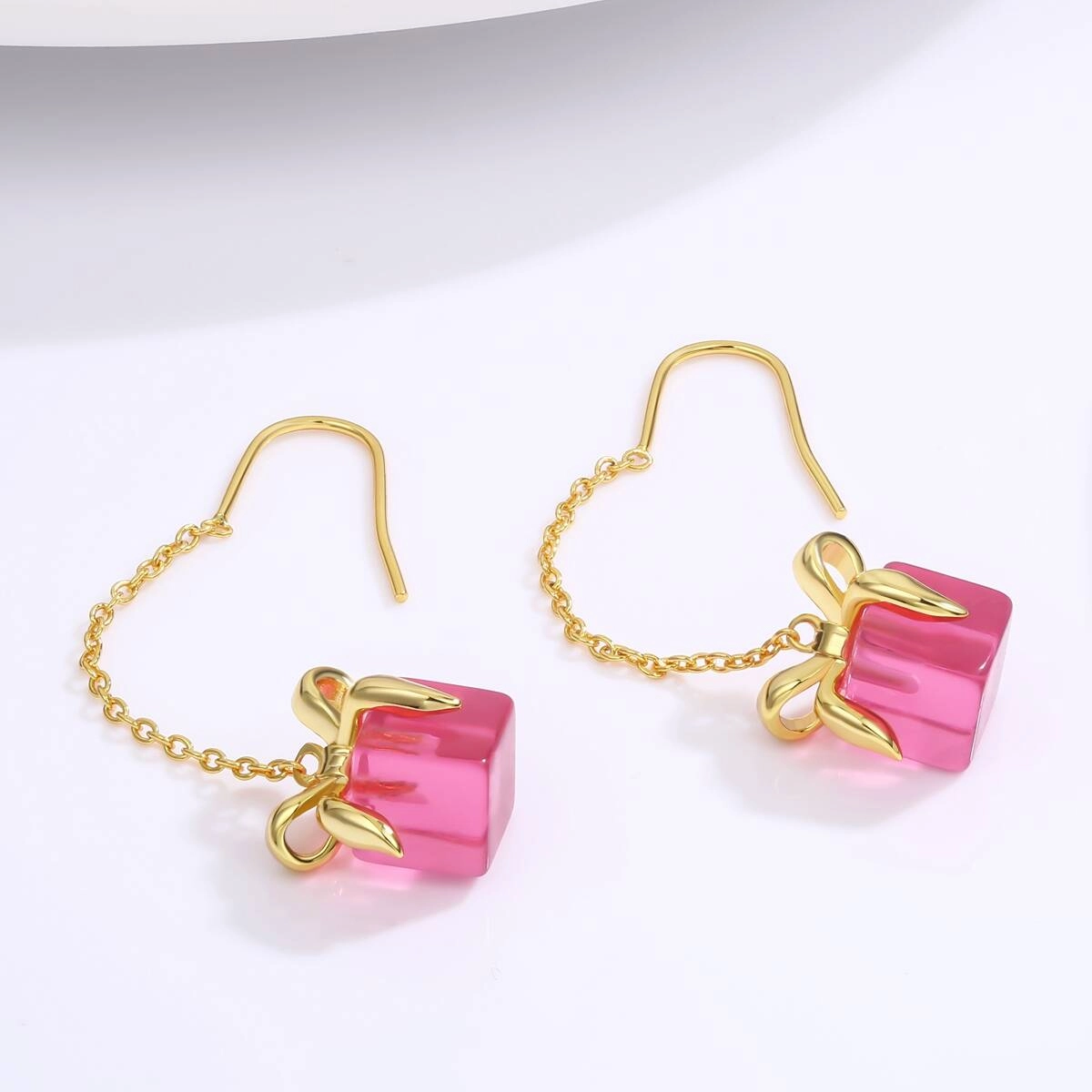
Christmas Pink Bow Chain Earrings - Wholesale Fashion Jewelry by HOLYCOME
Direct Sourcing Guide: How to Find a Reliable Silver Anklets Wholesale Supplier Without Middlemen in 2026
Wholesale brass necklaces manufacturer and supplier
Product Categories
You may also like

925 Silver Jewelry
Customizable High-Quality Fashion 925 Sterling Silver AAA Cubic Zirconia Heart-Shaped Open Tennis Bracelet.
Read More

Brass Jewelry
Customizable OEM ODM High-Quality Fashion Brass AAA Cubic Zirconia Classic Tennis Bracelet for Women Wholesale.
Read More
Get a Quote for Private Label Jewelry
We provide personalized jewelry customization services for clients worldwide.
Rest assured that your privacy is important to us, and all information provided will be handled with the utmost confidentiality.
By clicking 'Send Inquiry Now' I agree to HOLYCOME processing my personal data.
To see how to withdraw your consent, how to control your personal data and how we process it, please see our Privacy Policy and Terms of use.
From design to production, HOLYCOME offers a one-stop solution to help you enhance your brand value and market competitiveness.
Get A Quote
Contact
Tel: (+86) 188 1927 7817
© 2026 HOLYCOME. All Rights Reserved.
Facebook
Instagram
YouTube
Whatsapp: +8618078079070