







Email: sales3@zhefanjewelry.com
Ensuring Excellence: What Certifications Should Your 925 Silver Ring Suppliers Have?
Discover the critical certifications 925 silver ring suppliers must possess to guarantee quality, authenticity, and ethical practices. This guide from Zhefan Jewelry, a leading custom jewelry manufacturer, explores purity standards, quality management systems, and ethical sourcing, all crucial for crafting exquisite pieces like the butterfly-motif ring shown. Learn why vetting your suppliers for certifications such as SGS and ISO 9001 is paramount for consumer trust and product integrity.
- The Foundation of Trust: Why Certifications Matter for 925 Silver Rings
- Key Certifications for 925 Silver Purity and Authenticity
- Beyond Purity: Essential Quality Management and Safety Certifications
- Ethical Sourcing and Environmental Responsibility
- Partnering with Zhefan Jewelry: Your Certified Custom Jewelry Manufacturer
- Frequently Asked Questions About 925 Silver Ring Supplier Certifications
- Why is 925 silver purity important for rings?
- What does the "SGS" certification mean for silver suppliers?
- How does ISO 9001 benefit custom jewelry buyers?
- Are ethical sourcing certifications relevant for 925 silver?
- How can Zhefan Jewelry ensure its suppliers meet these standards?
- FAQ
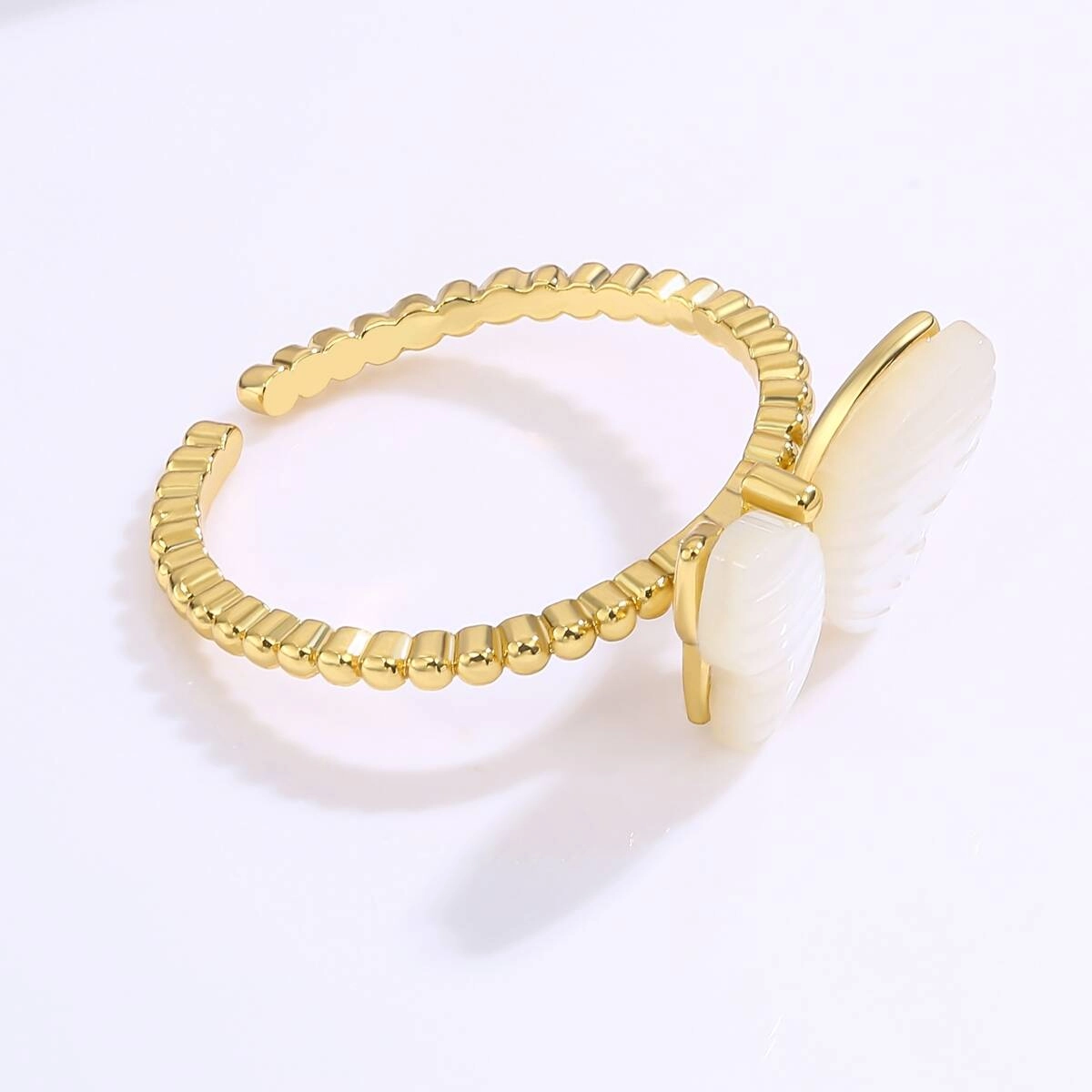
The Foundation of Trust: Why Certifications Matter for 925 Silver Rings
In the world of custom jewelry manufacturing, trust is paramount. Whether it's a delicate adjustable ring with intricate details, like the elegant butterfly-motif piece shown, or a classic sterling silver band, the quality begins with the supplier. For businesses looking to offer genuine 925 silver rings, understanding what certifications should 925 silver ring suppliers have is not just good practice—it's essential for upholding your brand's reputation and ensuring customer satisfaction.
As Zhefan Jewelry, a dedicated custom jewelry manufacturer, we know that the brilliance and longevity of a piece depend on the integrity of its raw materials. This blog post will guide you through the crucial certifications that signify a supplier's commitment to quality, authenticity, and responsible practices.
Key Certifications for 925 Silver Purity and Authenticity
The term "925 silver" refers to sterling silver, an alloy containing 92.5% pure silver and 7.5% other metals, typically copper, added for strength and durability. For a supplier, demonstrating this purity is fundamental:
- Hallmarking/Stamping: While not a third-party certification, the presence of a "925" or "S925" hallmark directly on the jewelry is a basic indicator of sterling silver. Reputable suppliers ensure their products are correctly stamped.
- Material Composition Certificates: Independent lab reports verifying the exact metal composition are crucial. These often come from recognized testing agencies and confirm the 92.5% silver content.
Beyond Purity: Essential Quality Management and Safety Certifications
While purity is vital, a truly reliable 925 silver ring supplier offers more. They demonstrate a commitment to overall quality and safety in their manufacturing processes:
- ISO 9001 Certification: This internationally recognized standard indicates that a supplier has a robust Quality Management System (QMS) in place. It ensures consistent production quality, process efficiency, and continuous improvement, which directly impacts the uniform quality of custom jewelry, from the simplest band to an ornate piece like our featured butterfly ring.
- SGS Certification (or equivalent): For jewelry, certifications from testing and inspection companies like SGS are invaluable. These often cover:
- Heavy Metal Testing: Ensuring rings are free from harmful substances like lead, nickel (especially crucial for allergy sufferers), and cadmium, complying with international regulations such as REACH or California Prop 65.
- Corrosion Resistance Testing: Verifying the durability and tarnish resistance of the silver alloy.
Ethical Sourcing and Environmental Responsibility
Modern consumers and businesses increasingly value ethical and sustainable practices. A top-tier 925 silver ring supplier should also adhere to these standards:
- Responsible Jewellery Council (RJC) Certification: While more common for gold and diamonds, some silver suppliers, especially those integrated into broader supply chains, may hold RJC certification, signifying responsible business practices from mine to retail.
- Business Social Compliance Initiative (BSCI) or Sedex: These certifications focus on ethical labor practices, fair wages, and safe working conditions within the supplier's facilities. For a custom jewelry manufacturer like Zhefan Jewelry, partnering with suppliers who respect human rights is non-negotiable.
- Recycled Silver Certifications: Suppliers using recycled sterling silver can provide documentation to verify its origin, contributing to a more sustainable supply chain.
Partnering with Zhefan Jewelry: Your Certified Custom Jewelry Manufacturer
At Zhefan Jewelry, we understand the importance of meticulous supplier vetting. As a premier custom jewelry manufacturer, our commitment to quality extends to every component of our creations. When you choose Zhefan, you're not just getting expertly crafted pieces like custom adjustable rings or unique designs; you're also benefiting from our rigorous selection process for 925 silver ring suppliers.
We ensure our partners possess the necessary certifications, guaranteeing that every piece we produce—whether it's the gold-toned, shell-winged butterfly ring that catches the eye or a classic silver design—meets the highest standards of purity, safety, and ethical production. Trust Zhefan Jewelry to deliver excellence, backed by certified quality at every step.
Frequently Asked Questions About 925 Silver Ring Supplier Certifications
Why is 925 silver purity important for rings?
925 silver purity, or sterling silver, is crucial because it indicates a specific alloy composition: 92.5% pure silver and 7.5% other metals, usually copper. This blend provides the ideal balance of beauty, durability, and workability. Without this specific purity, the metal may be too soft (if higher silver content) or too brittle and prone to tarnish (if lower silver content or improper alloys are used), affecting the ring's longevity and appearance.
What does the "SGS" certification mean for silver suppliers?
SGS certification, provided by SGS S.A. (formerly Société Générale de Surveillance), is a globally recognized mark of quality and integrity. For silver suppliers, SGS certification typically means that their products have undergone independent testing for various factors, including metal composition (to confirm 92.5% silver content), presence of harmful heavy metals (like nickel, lead, and cadmium), and sometimes even corrosion resistance. It assures buyers that the material meets specific safety and quality standards.
How does ISO 9001 benefit custom jewelry buyers?
ISO 9001 certification indicates that a supplier has implemented an effective Quality Management System (QMS). For custom jewelry buyers, this means the supplier adheres to consistent processes for production, quality control, and continuous improvement. This directly translates to more reliable product quality, fewer defects, and a more consistent supply chain, which is vital when manufacturing custom pieces where precision and repeatability are key.
Are ethical sourcing certifications relevant for 925 silver?
Yes, ethical sourcing certifications are increasingly relevant for 925 silver, mirroring the broader trend in the jewelry industry. Certifications like BSCI or Sedex ensure that suppliers adhere to fair labor practices, safe working conditions, and environmental responsibility. For custom jewelry manufacturers like Zhefan Jewelry, partnering with ethically certified suppliers aligns with corporate social responsibility and meets the growing demand from consumers for transparent and responsibly produced products.
How can Zhefan Jewelry ensure its suppliers meet these standards?
Zhefan Jewelry ensures its suppliers meet stringent standards through a comprehensive vetting process. This includes requesting and verifying official certification documents (e.g., ISO 9001, SGS test reports), conducting supplier audits, and establishing long-term partnerships with trusted manufacturers. We continually monitor compliance to guarantee that all 925 silver used in our custom jewelry manufacturing adheres to our high benchmarks for quality, authenticity, and ethical practices.
FAQ
Why is 925 silver purity important for rings?
925 silver purity, or sterling silver, is crucial because it indicates a specific alloy composition: 92.5% pure silver and 7.5% other metals, usually copper. This blend provides the ideal balance of beauty, durability, and workability. Without this specific purity, the metal may be too soft (if higher silver content) or too brittle and prone to tarnish (if lower silver content or improper alloys are used), affecting the ring's longevity and appearance.
What does the "SGS" certification mean for silver suppliers?
SGS certification, provided by SGS S.A. (formerly Société Générale de Surveillance), is a globally recognized mark of quality and integrity. For silver suppliers, SGS certification typically means that their products have undergone independent testing for various factors, including metal composition (to confirm 92.5% silver content), presence of harmful heavy metals (like nickel, lead, and cadmium), and sometimes even corrosion resistance. It assures buyers that the material meets specific safety and quality standards.
How does ISO 9001 benefit custom jewelry buyers?
ISO 9001 certification indicates that a supplier has implemented an effective Quality Management System (QMS). For custom jewelry buyers, this means the supplier adheres to consistent processes for production, quality control, and continuous improvement. This directly translates to more reliable product quality, fewer defects, and a more consistent supply chain, which is vital when manufacturing custom pieces where precision and repeatability are key.
Are ethical sourcing certifications relevant for 925 silver?
Yes, ethical sourcing certifications are increasingly relevant for 925 silver, mirroring the broader trend in the jewelry industry. Certifications like BSCI or Sedex ensure that suppliers adhere to fair labor practices, safe working conditions, and environmental responsibility. For custom jewelry manufacturers like Zhefan Jewelry, partnering with ethically certified suppliers aligns with corporate social responsibility and meets the growing demand from consumers for transparent and responsibly produced products.
How can Zhefan Jewelry ensure its suppliers meet these standards?
Zhefan Jewelry ensures its suppliers meet stringent standards through a comprehensive vetting process. This includes requesting and verifying official certification documents (e.g., ISO 9001, SGS test reports), conducting supplier audits, and establishing long-term partnerships with trusted manufacturers. We continually monitor compliance to guarantee that all 925 silver used in our custom jewelry manufacturing adheres to our high benchmarks for quality, authenticity, and ethical practices.
Tags
nickel free brass earring supplier
nickel free brass earring supplier
Wholesale Tennis Bracelet
Wholesale Tennis Bracelet
custom mother of pearl heart necklace
custom mother of pearl heart necklace
925 sterling silver jewelry sets manufacturer
925 sterling silver jewelry sets manufacturer
brass golden earrings
brass golden earrings
brass jewelry manufacturer wholesale
brass jewelry manufacturer wholesale
Recommended for you
Contract Manufacturing vs. Trading Companies for 925
Trend Forecast: 925 Silver Ring Styles for Wholesale Buyers
Sustainable sourcing of 925 sterling silver nickel free items
Quality Control Checklist for Mother of Pearl Stud Earrings
Product Categories
You may also like

925 Silver Jewelry
Customizable High-Quality Fashion 925 Sterling Silver AAA Cubic Zirconia Heart-Shaped Open Tennis Bracelet.
Read More

Brass Jewelry
Customizable OEM ODM High-Quality Fashion Brass AAA Cubic Zirconia Classic Tennis Bracelet for Women Wholesale.
Read More
Get a Quote for Private Label Jewelry
We provide personalized jewelry customization services for clients worldwide.
Rest assured that your privacy is important to us, and all information provided will be handled with the utmost confidentiality.
By clicking 'Send Inquiry Now' I agree to ZHEFAN JEWELRY processing my personal data.
To see how to withdraw your consent, how to control your personal data and how we process it, please see our Privacy Policy and Terms of use.
From design to production, ZHEFAN JEWELRY offers a one-stop solution to help you enhance your brand value and market competitiveness.
Get A Quote
Contact
Tel: (+86) 188 1927 7817
© 2026 Zhefan Jewelry. All Rights Reserved.
Facebook
Instagram
YouTube
Whatsapp: +8618819277817