




Nickel-Free 925 Sterling Silver Earrings: Supplier Guide for Jewelry Brands
For jewelry brands, nickel-free 925 sterling silver earrings are more than a comfort feature — they're part of product safety, customer trust, and repeat-purchase strategy. Buyers need to verify the silver alloy, plating structure, nickel release documentation, earring post materials, and supplier QC process before placing bulk orders. This guide explains how to source nickel-free 925 sterling silver earrings from a reliable manufacturer and what documentation to check before production.
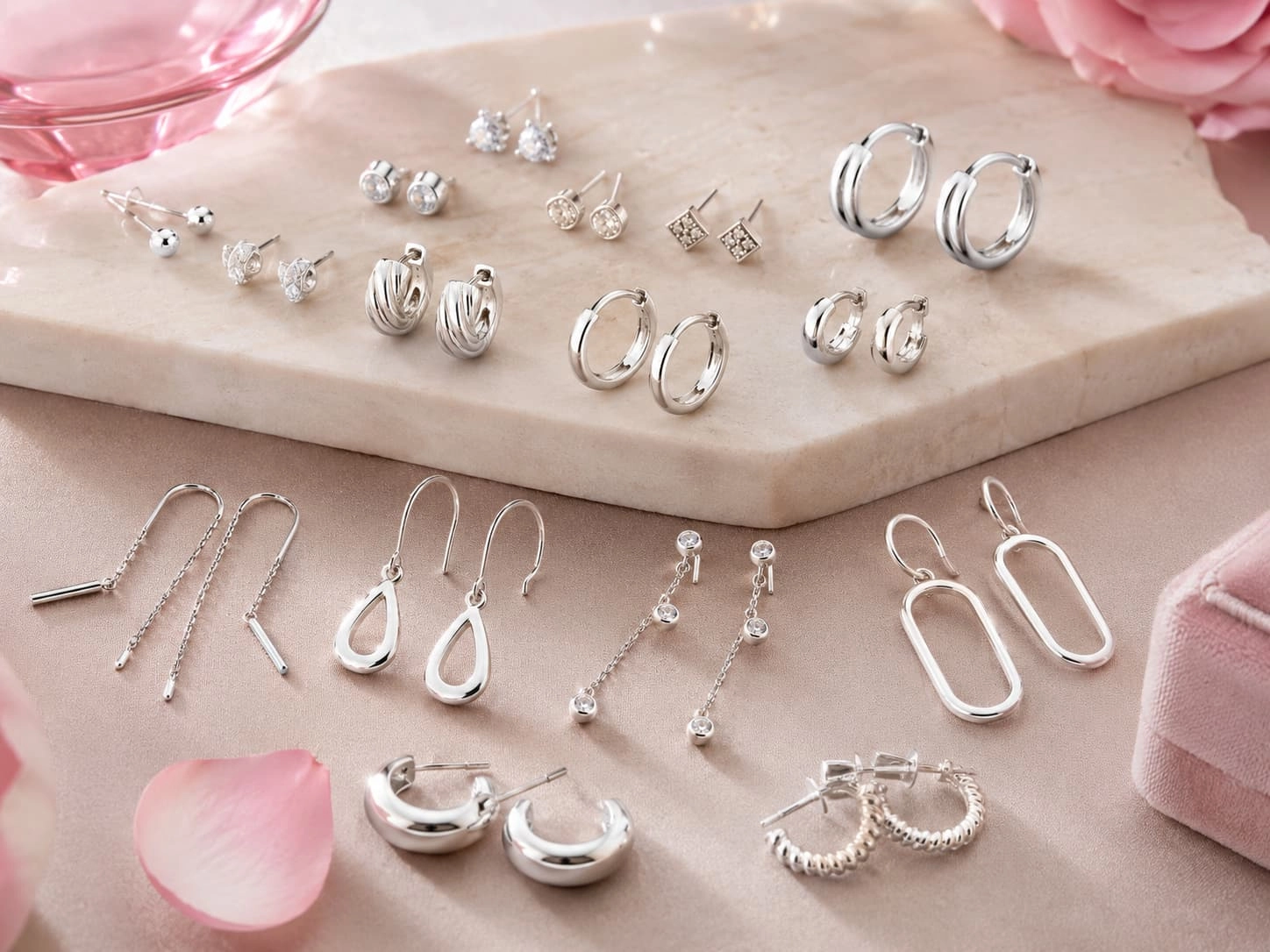
What Are Nickel-Free 925 Sterling Silver Earrings?
Nickel-free 925 sterling silver earrings should be produced with nickel-free control across the base alloy, soldering points, plating structure, and earring posts — not only the visible surface finish. The distinction matters because nickel can be present in several different parts of a finished earring, and addressing only one of them doesn't necessarily make the whole piece nickel-free.
For brands developing sensitive-ear collections across multiple product types, working with a dedicated 925 silver jewelry manufacturer can help keep material standards, plating specifications, QC checks, and private label packaging more consistent across earrings, rings, necklaces, bracelets, and jewelry sets.
Are 925 Sterling Silver Earrings Naturally Nickel-Free?
Not automatically. The "925" designation means the alloy contains 92.5% silver, with the remaining 7.5% typically being copper — but it doesn't independently confirm that every component of a finished earring is nickel-free. A few specific points worth understanding:
- The core 92.5/7.5 silver-copper alloy is generally a lower-risk option for sensitive-ear customers compared with many low-cost base-metal alloys, but this depends on what the remaining 7.5% actually contains.
- Earring posts, hinges, and soldering points are sometimes made from different metal than the visible body of the earring, and these can contain nickel even when the main piece is genuine 925 silver.
- Plating base layers are a common source of hidden nickel — some manufacturers use nickel as a leveling agent under gold or rhodium plating because it's cheaper and faster than extensive hand polishing.
Jewelry brands sourcing for sensitive-ear positioning should verify both the base material and the full plating structure through supplier documentation, rather than assuming "925 silver" automatically means nickel-free throughout.
Why Nickel-Free Earrings Matter for Sensitive-Ear Customers
Nickel is a well-documented common cause of allergic contact dermatitis, which can cause itching, redness, and rash where the metal contacts skin. For pierced ears specifically, this matters more than for many other jewelry categories, since earring posts have prolonged, direct contact with pierced skin — a setting where allergic reactions are more likely to develop and more noticeable when they do.
It's worth being precise here: nickel-free plating and a verified nickel-free barrier layer help reduce allergy-related complaints for many sensitive-ear customers, but individual reactions vary, and no claim of "100% allergy-proof" is accurate or appropriate to make.
Nickel Allergy, Green Marks, and Brand Review Risk
Two separate issues sometimes get conflated, and it's worth distinguishing them clearly:
| Issue | Common Signs | What It Usually Means |
|---|---|---|
| Nickel allergy | Redness, itching, swelling, or rash at the contact point | A possible immune sensitivity, more likely if nickel is present in the base layer or post |
| Green/dark mark from copper | A stain that washes off with soap and water | A surface reaction between copper and sweat, separate from allergy |
Both issues can drive negative reviews and returns, but they have different causes and different solutions — a green mark issue points to plating thickness and copper exposure, while an allergy complaint points specifically to nickel content. Brands fielding either type of complaint benefit from knowing which one they're actually dealing with before adjusting sourcing specs.
Nickel-Free Plating vs. Cost-Cutting Nickel Base Layers
Raw silver casting has a naturally slightly porous surface that needs smoothing before plating. There are two common ways manufacturers approach this:
- Extensive hand polishing, sometimes combined with a copper or palladium barrier layer, takes longer and costs more in labor, but avoids nickel entirely.
- A nickel "leveling" bath smooths the surface faster and more cheaply, since nickel fills microscopic surface imperfections efficiently — but it introduces nickel into the layer directly underneath the visible gold or rhodium plating.
The risk with the second approach is that once the top plating layer wears thin from daily wear — which happens to some degree on essentially all plated jewelry over time — the nickel-containing layer underneath becomes exposed to skin. This is why asking specifically about the plating base layer, not just the visible finish, is one of the more useful questions a buyer can ask a supplier.
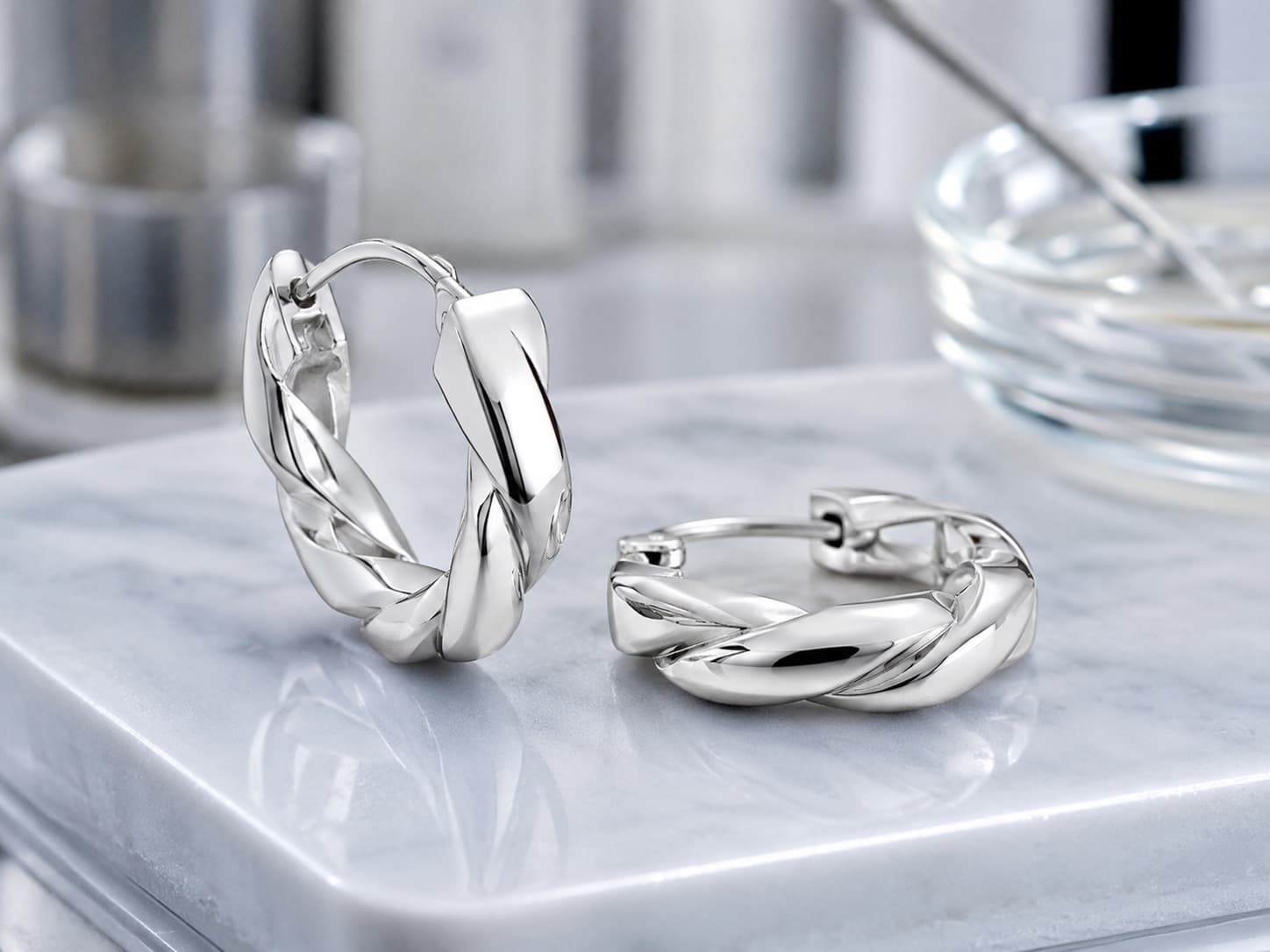
Nickel Release Testing: What Jewelry Brands Should Ask Suppliers For
A verbal "nickel-free" claim isn't verification — it's a starting point for a conversation that should include actual testing documentation. For brands selling into the EU or UK in particular, nickel release limits (not just a binary "contains nickel or doesn't") are the relevant regulatory framework. EN 1811 is the EU-recognized test method referenced under REACH for nickel release from items intended for prolonged skin contact, including post assemblies used in piercings.
When evaluating a supplier, ask for:
If you're selling primarily into markets outside the EU/UK, ask your supplier what testing framework is most relevant to your specific target market, since requirements vary by region.
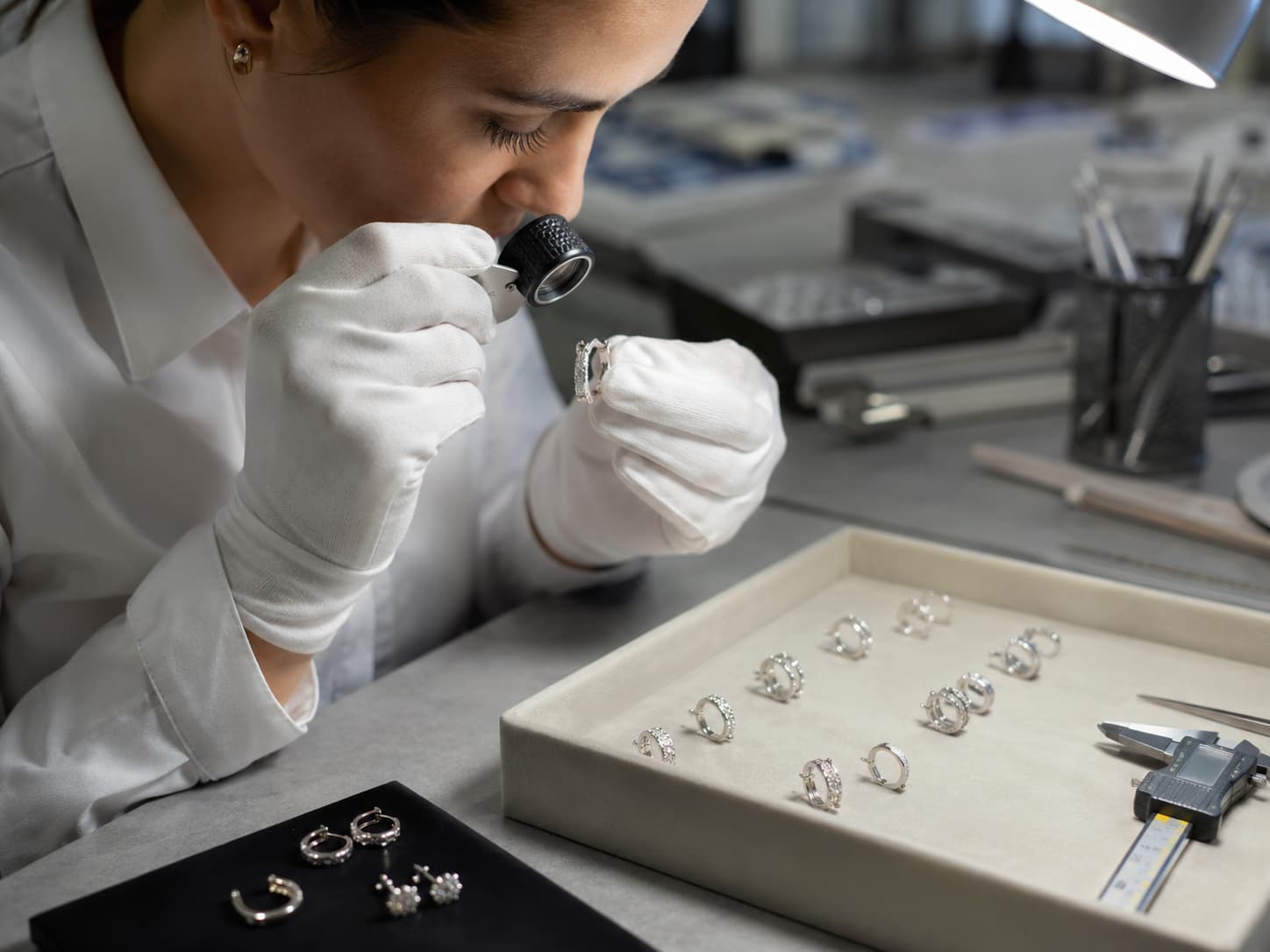
SGS, REACH, and Other Documents Buyers Should Check
Beyond nickel release specifically, a few other documentation points are worth confirming for compliance and material safety:
- SGS testing or equivalent third-party verification, covering the specific elements relevant to your market (lead, cadmium, nickel)
- REACH documentation, relevant primarily for EU market access
- Material composition reports confirming the 92.5% silver alloy claim independently of the stamp alone
- Consistency across repeat orders — ask whether the same nickel-free standard applies to every production batch, not just the initial sample, since specifications can drift over repeat orders without active QC oversight
How to Source Nickel-Free 925 Silver Earrings from a Direct Manufacturer
Trading companies and intermediaries that don't directly control production typically can't fully guarantee what's happening inside the electroplating process, since they're reselling output from one or more separate factories. Working with a direct manufacturer gives you more visibility into the actual production process — raw silver casting, polishing method, plating composition — and more direct technical communication when something needs to be verified or adjusted.
A few practical ways to check what you're working with: ask for production photos or video showing actual casting and plating equipment, ask specific technical questions about the plating base layer and see whether you get a specific answer, and request documentation rather than relying on verbal assurances. For a fuller breakdown of supplier vetting and bulk-order sourcing for 925 silver earrings generally, see our wholesale 925 sterling silver earrings sourcing guide.
OEM/ODM Options for Private Label Nickel-Free Silver Earrings
Both production models can support nickel-free specifications, but the conversation needs to happen explicitly either way:
- ODM — customizing an existing design with your plating, logo, and packaging — is generally faster and lower-cost, and is a practical starting point for testing a sensitive-ear or hypoallergenic product line.
- OEM — building a fully original design — gives you more control over construction details like post material and soldering method from the start, which can matter more for a dedicated sensitive-ear collection.
Either way, nickel-free requirements should be confirmed in writing as part of the product specification, not assumed as a default.
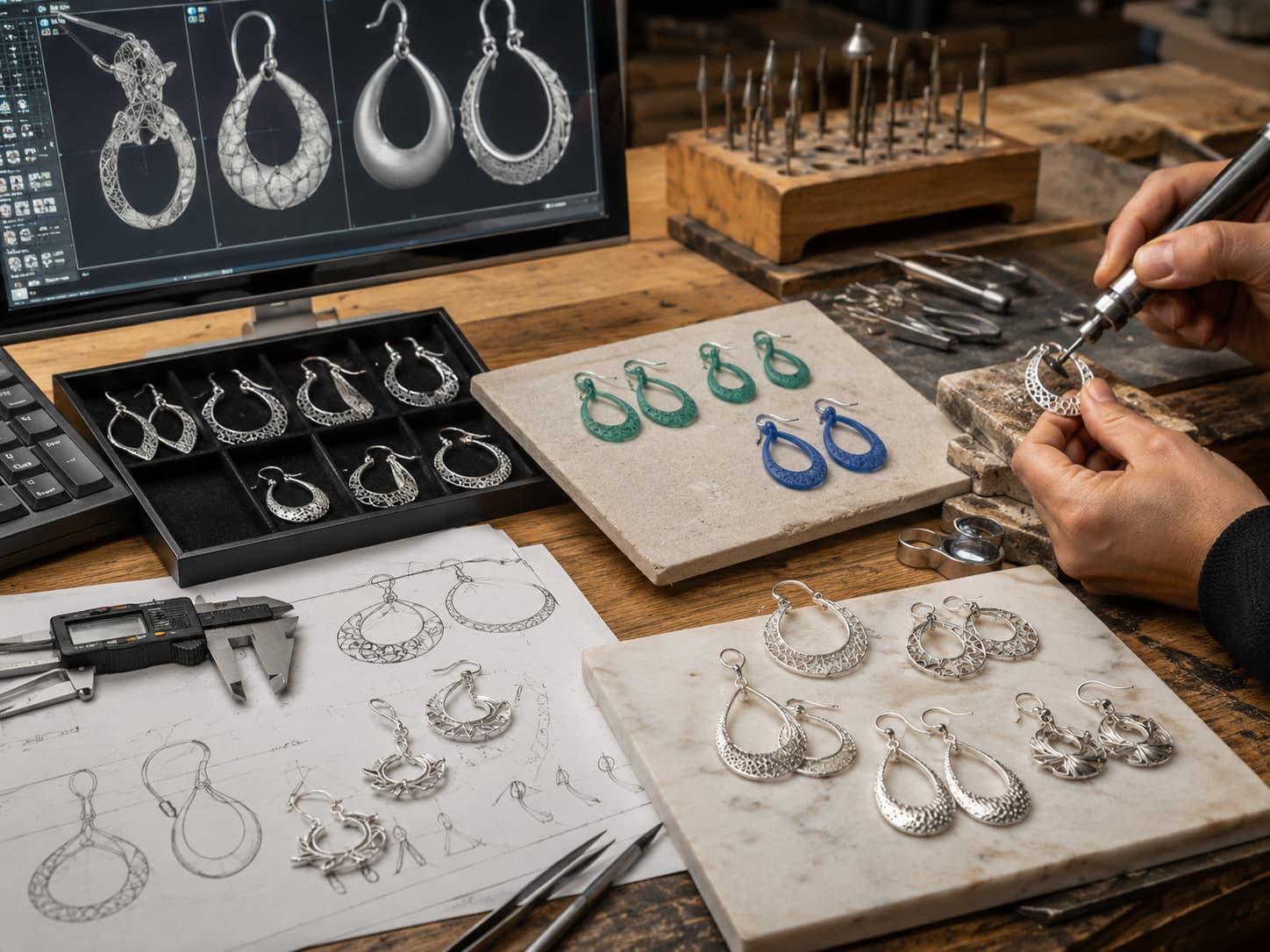
Supplier Audit Checklist Before Bulk Ordering
A practical list of questions worth asking before committing to a bulk order:
| What to Check | Why It Matters | What to Ask the Supplier |
|---|---|---|
| Base alloy | Confirms 925 silver purity | Material composition report |
| Earring post material | Has the most direct, prolonged skin contact | Nickel-free post material confirmation |
| Plating base layer | Nickel can be hidden under visible gold/rhodium plating | Specific plating structure details |
| Nickel release testing | More meaningful than a verbal "nickel-free" claim | EN 1811 or equivalent test report |
| Batch consistency | Prevents drift between sample and bulk production | QC inspection records across orders |
| Compliance documentation | Needed for regulated markets | SGS, REACH, or RoHS reports as applicable |
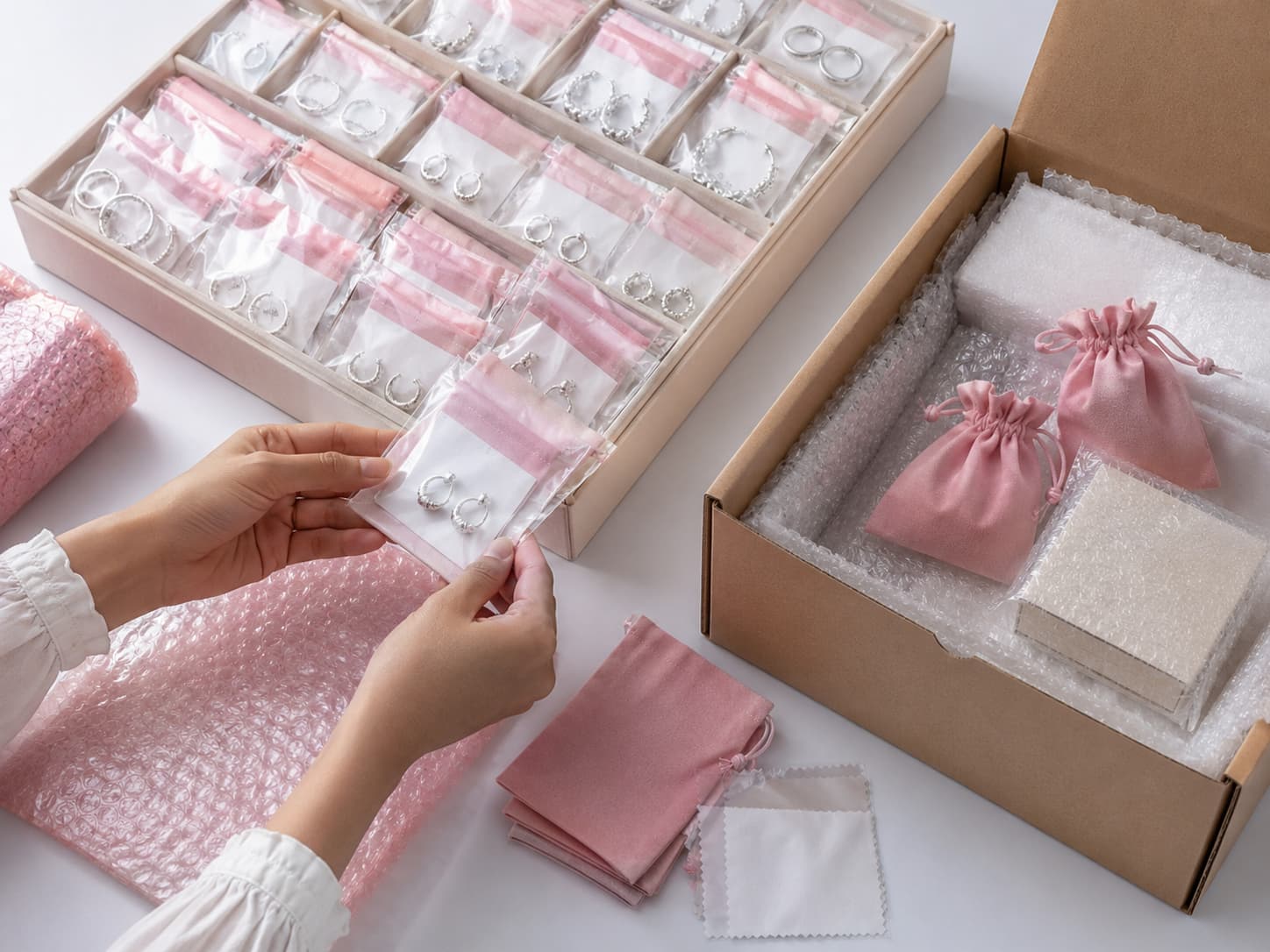
How Care Cards and Packaging Reduce Allergy Complaints
Sourcing nickel-free materials addresses the manufacturing side; clear customer communication addresses the rest. A simple care card included in packaging can meaningfully reduce confusion and complaints:
State the nickel-free or sensitive-ear positioning clearly, without overstating it as an absolute guarantee.
Advise keeping earrings dry and removing them before showering, swimming, or heavy exercise.
Note that prolonged contact with perfume, lotion, or sweat can affect any plated jewelry over time.
For private label brands, a well-designed care card also reinforces a more professional, considered brand image.
Why Work with ZHEFAN JEWELRY for Nickel-Free 925 Silver Earrings
With jewelry manufacturing roots dating back to 1997 and Guangzhou Zhefan Jewelry Co., Ltd. established in 2013, ZHEFAN JEWELRY supports custom 925 sterling silver, brass, and stainless steel jewelry production for global brands and wholesalers. A few specifics relevant to sourcing nickel-free earrings:
- Direct factory production, with technical staff able to discuss plating base layer composition and post material directly.
- Compliance support, including lead-free, nickel-free, and cadmium-free production standards, with RoHS, REACH, and SGS documentation support for applicable projects.
- Plating capability, with controlled polishing, optional nickel-free barrier-layer methods, and plating thickness checks to support sensitive-ear product specifications.
- Documented quality control, including at least 6 rounds of polishing and 6 rounds of inspection per production run, helping maintain consistency across repeat bulk orders.
- OEM/ODM support, covering both fully custom designs and customization of existing base styles for sensitive-ear or hypoallergenic product lines.
- Private label packaging, including the option to include care cards to support clear customer communication.
- Free samples and small-batch trial orders for first-time clients.
For more on quality processes, see the Quality Control page, for OEM/ODM options see the OEM/ODM page, and for company background see About Us.
FAQ
How can I test if earrings I've already received contain nickel?
Professional XRF lab testing is the most accurate method for verifying composition. Consumer-level "nickel spot test" kits (using a dimethylglyoxime-based swab) are also available and will typically change color in the presence of nickel, though they're a screening tool rather than a substitute for lab-grade testing on bulk orders.
Are all 925 silver earrings naturally hypoallergenic?
Not automatically. The base 92.5% silver alloy is generally a lower-risk option compared with many base-metal alternatives, but if nickel is used as a leveling agent under the plating, or in the earring post itself, the piece can still trigger reactions once the top layer wears thin — regardless of the 925 stamp on the main body.
Does avoiding nickel in plating make jewelry look less polished?
No. Nickel-free production typically relies on more extensive hand polishing combined with a copper or palladium barrier layer rather than a nickel leveling bath. This takes more labor time but doesn't compromise the final shine or finish of properly executed gold or rhodium plating.
What's the difference between nickel-free and hypoallergenic?
"Nickel-free" specifically means avoiding nickel exposure in the relevant components. "Hypoallergenic" is a broader, less precisely defined term meaning a product is designed to reduce allergy risk — it isn't a medical guarantee, and sensitive-ear customers can occasionally still react to other materials, coatings, or even adhesives used in packaging or assembly.
What documentation should I request to verify a nickel-free claim?
Ask for a nickel release test report, ideally referencing a recognized standard like EN 1811, specifying what component was tested (particularly the earring post). A verbal assurance or generic "nickel-free" label on a product page isn't sufficient verification for a bulk order.
Is nickel release testing the same as RoHS compliance?
No. RoHS primarily restricts hazardous substances in certain product categories and isn't the most directly relevant standard for nickel exposure in jewelry. For nickel specifically, especially for items in prolonged skin contact like earring posts, EN 1811 (referenced under REACH in the EU) is the more directly applicable testing framework.
Can I market my earrings as "100% allergy-proof"?
This isn't an accurate or advisable claim. Nickel-free materials and documented testing meaningfully reduce allergy risk for many sensitive-ear customers, but individual reactions vary, and absolute claims like "100% allergy-proof" overstate what any jewelry, regardless of material, can guarantee.
Need Nickel-Free 925 Sterling Silver Earrings for Your Brand?
Sourcing nickel-free 925 sterling silver earrings for your brand? Contact ZHEFAN JEWELRY to discuss plating specs, request testing documentation, or get a quote for your order.
Contact ZHEFAN JEWELRY



Facebook
Instagram
YouTube
Whatsapp: +8618819277817