






Email: sales3@zhefanjewelry.com
Why Production Standards Matter in 925 Sterling Silver Jewelry
925 sterling silver rings are beloved in fine jewelry for their ideal blend of purity and durability, and the true mark of their premium quality lies in strict compliance with international production standards. This guide dives into 7 key international standards for 925 sterling silver rings, uncovering why rigorous production norms matter—from the careful selection of raw materials to stringent final quality inspections, every precise step ensures these silver rings retain their lasting brilliance for years to come.
- How Production Standards Protect 925 Silver Jewelry Quality
- How a Jewelry Manufacturer Verifies 925 Sterling Silver
- Precision Manufacturing for Custom 925 Silver Jewelry
- Six Polishing and Six Silver Jewelry Quality Control Stages
- Six Polishing Stages
- Six Quality Inspection Stages
- RoHS, REACH, and SGS Documentation for 925 Silver Jewelry
- RoHS Documentation
- REACH Documentation
- SGS Documentation
- What Buyers Should Check in 925 Silver Jewelry Production
- Why Choose Zhefan as Your Custom Jewelry Manufacturer
- Choosing a Reliable 925 Silver Jewelry Manufacturer
- FAQ
How Production Standards Protect 925 Silver Jewelry Quality
For jewelry brands, wholesalers, and importers, the quality of 925 sterling silver jewelry depends on much more than appearance or a “925” stamp.
Material composition, casting accuracy, polishing, stone setting, plating, and quality inspection all influence the final product. Without consistent production standards, bulk orders may develop surface defects, loose stones, incorrect dimensions, plating color differences, or compliance risks.
A reliable jewelry manufacturer should be able to explain how these risks are controlled throughout production and provide relevant quality and compliance documentation when required.
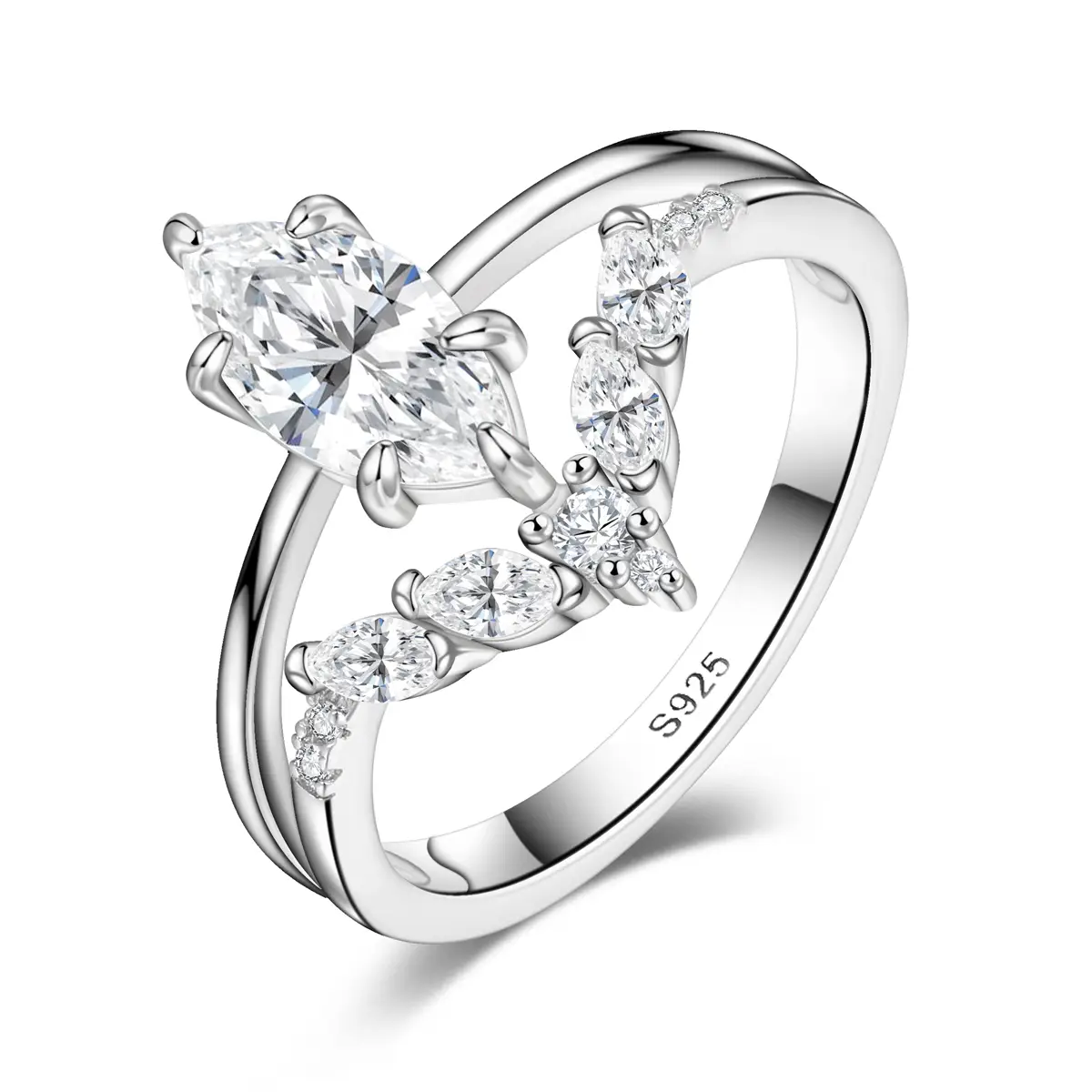
How a Jewelry Manufacturer Verifies 925 Sterling Silver
Sterling silver contains at least 92.5% silver. The remaining percentage normally consists of alloying metals, commonly copper, which help improve hardness, durability, and workability.
Pure silver is relatively soft. It can scratch, bend, or lose its shape more easily, making it less suitable for many detailed rings, earrings, necklaces, and stone-set designs. Adding suitable alloying metals allows the jewelry to maintain its structure while preserving the appearance of silver.
However, a “925” mark alone should not be treated as complete proof of material quality.
A professional 925 silver jewelry manufacturer may verify materials through the following:
-
Raw material inspection
-
Material specification records
-
XRF composition testing
-
Supplier documentation
-
Third-party laboratory reports
These checks help confirm that the material used in production matches the agreed specifications before the product moves into casting and finishing.
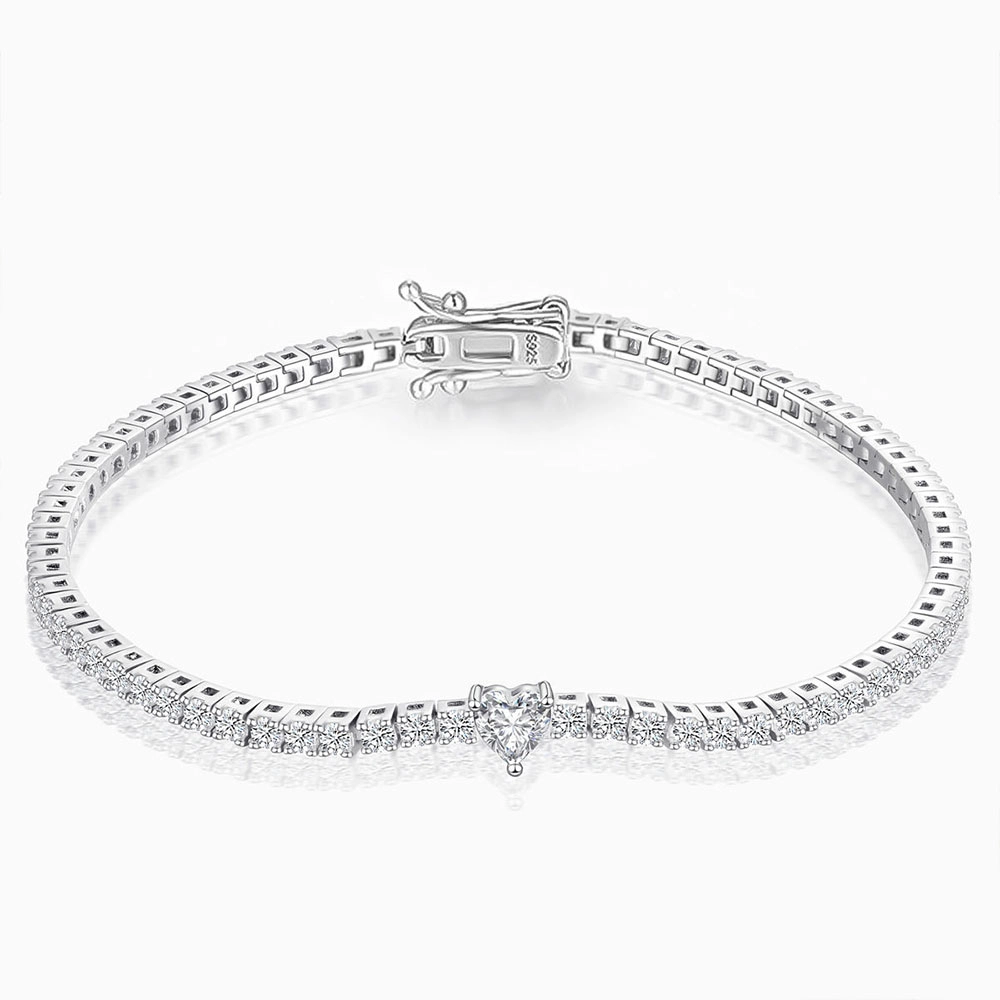
"925" stamp
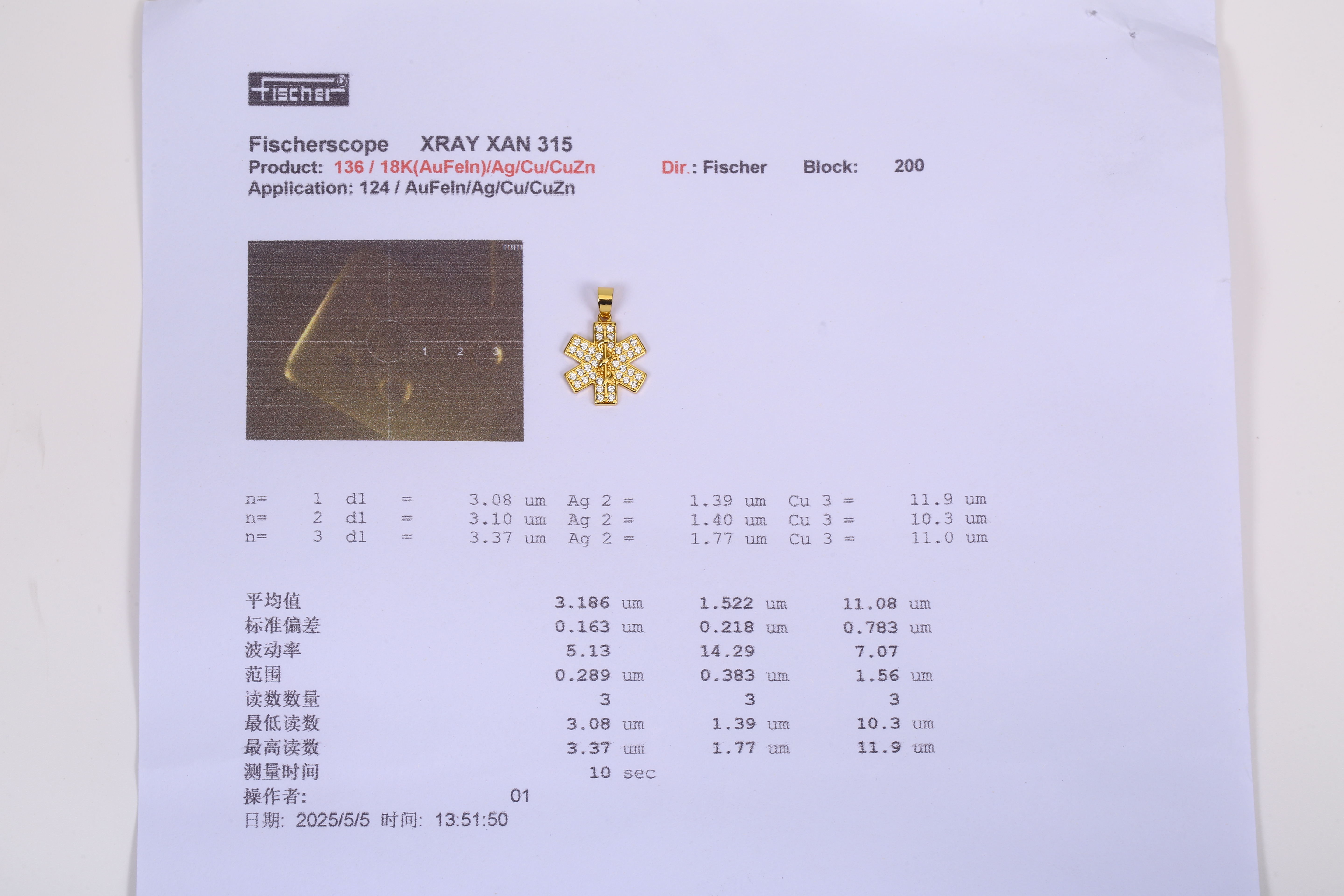
XRF testing
XRF testing and material documentation provide stronger verification than relying only on the “925” stamp.
Precision Manufacturing for Custom 925 Silver Jewelry
Accurate manufacturing begins before the silver is cast.
For custom 925 silver jewelry, CAD drawings and product specifications help define important details such as
-
Product dimensions
-
Ring size
-
Band thickness
-
Stone size and position
-
Prong structure
-
Logo placement
-
“925” mark placement
-
Surface details
During mold making and casting, the jewelry factory should check the product structure for deformation, incomplete details, surface porosity, pinholes, or incorrect dimensions.
These problems should be corrected before polishing, stone setting, or plating. Otherwise, later finishing processes may improve the appearance temporarily without solving the underlying structural defect.
Accurate control during the early stages of the jewelry manufacturing process helps maintain consistency between the confirmed design and the finished product.
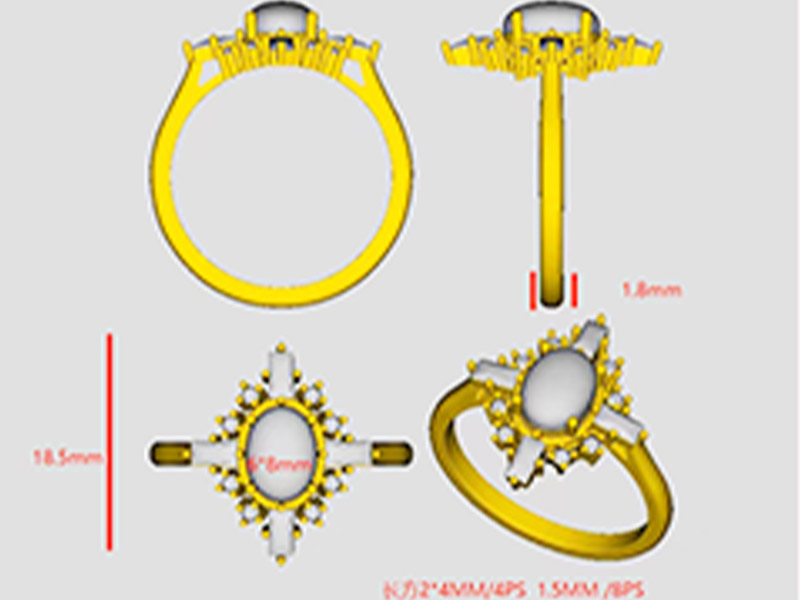
Six Polishing and Six Silver Jewelry Quality Control Stages
Polishing is not only used to create shine. It also affects surface smoothness, wearing comfort, detail definition, and plating quality.
Machine polishing can improve the overall surface, but detailed areas such as prongs, edges, recessed lines, and inner surfaces often require additional manual work.
At Zhefan Jewelry, the polishing process includes six main stages.
Six Polishing Stages
-
Initial Mold Polishing
The metal structure is initially polished after casting to remove obvious roughness and casting marks. -
Machine Grinding and Polishing
The complete product is machine-ground and polished to improve the overall surface. -
First Manual Linen-Wheel Polishing
Skilled workers manually polish the product, including areas that machines may not fully reach. -
Secondary Defect Correction
The surface is checked again for pinholes, black spots, pitting, and other visible defects. -
Detail Polishing After Stone Setting
Edges, prongs, double lines, and detailed areas are checked and polished after the stones are set. -
Final Polishing Before Plating
Before plating, the product is inspected for roughness, pitting, scratches, and other defects that may affect the final finish.
Six Quality Inspection Stages
Quality inspection should take place throughout production rather than only after the product is finished.
Zhefan Jewelry uses six main inspection stages:
-
Raw Material Inspection
Metal specifications, stones, and incoming components are checked before production. -
Wax Model Inspection
The wax model is checked for size, shape, structure, and design details. -
Inspection After Machine Polishing
The surface is checked for roughness, pinholes, visible defects, and missing stones where applicable. -
Stone-Setting Inspection
Stones are checked for correct positioning, alignment, and security. -
Inspection After Manual Polishing
The surface, edges, prongs, and detailed areas are checked again. -
Final Inspection After Plating
The finished product is checked for plating color, scratches, loose stones, surface defects, and overall appearance.
These stages help control common problems such as
-
Pinholes
-
Black spots
-
Rough edges
-
Surface scratches
-
Loose or missing stones
-
Incorrect stone positions
-
Uneven plating
-
Plating color differences
This multi-stage silver jewelry quality control process allows defects to be identified earlier, reducing unnecessary rework and improving consistency across bulk orders.
RoHS, REACH, and SGS Documentation for 925 Silver Jewelry
Visual inspection can identify surface defects, scratches, stone-setting problems, and plating inconsistencies. However, appearance alone cannot confirm restricted-substance compliance or chemical safety.
For international buyers, relevant RoHS, REACH, and SGS documentation provides additional evidence for the tested materials, samples, and test items.
RoHS Documentation
RoHS-related documents can support verification of restricted-substance test results within the scope stated in the certificate or report.
Buyers should review:
-
The tested sample
-
The test items
-
The test method
-
The stated limits
-
The test results
-
The final conclusion
REACH Documentation
REACH-related testing helps buyers evaluate whether relevant materials and components meet specified European chemical restriction requirements.
Depending on the product and testing scope, the report may include restricted substances such as lead, cadmium, or nickel-related requirements.
The exact test items should always be confirmed according to the product, destination market, and buyer requirements.
SGS Documentation
SGS documentation provides independent third-party evidence for the specific sample and test scope stated in the report or certificate.
It may support:
-
Material verification
-
Restricted-substance testing
-
Chemical safety testing
-
Buyer-specific compliance requirements
Zhefan Jewelry can provide relevant RoHS, REACH, and SGS certificates or test reports according to the product, material, available documentation, and agreed testing scope.
For custom projects, additional jewelry compliance testing can also be discussed based on the buyer’s target market and product requirements.
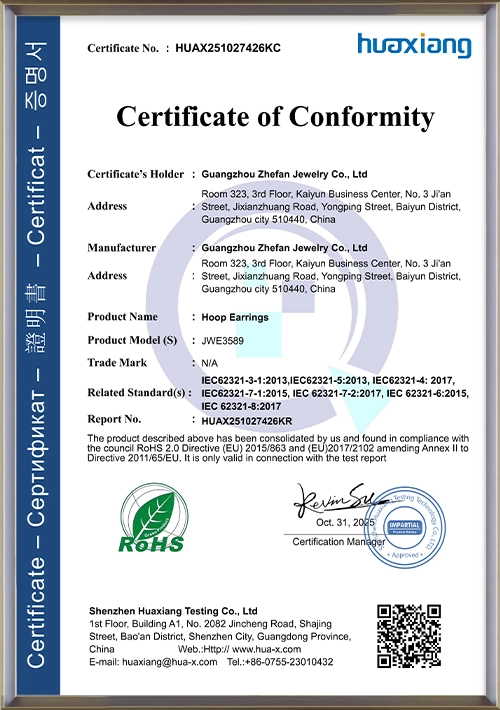
ROHS
RoHS reports support restricted-substance testing for 925 silver jewelry.
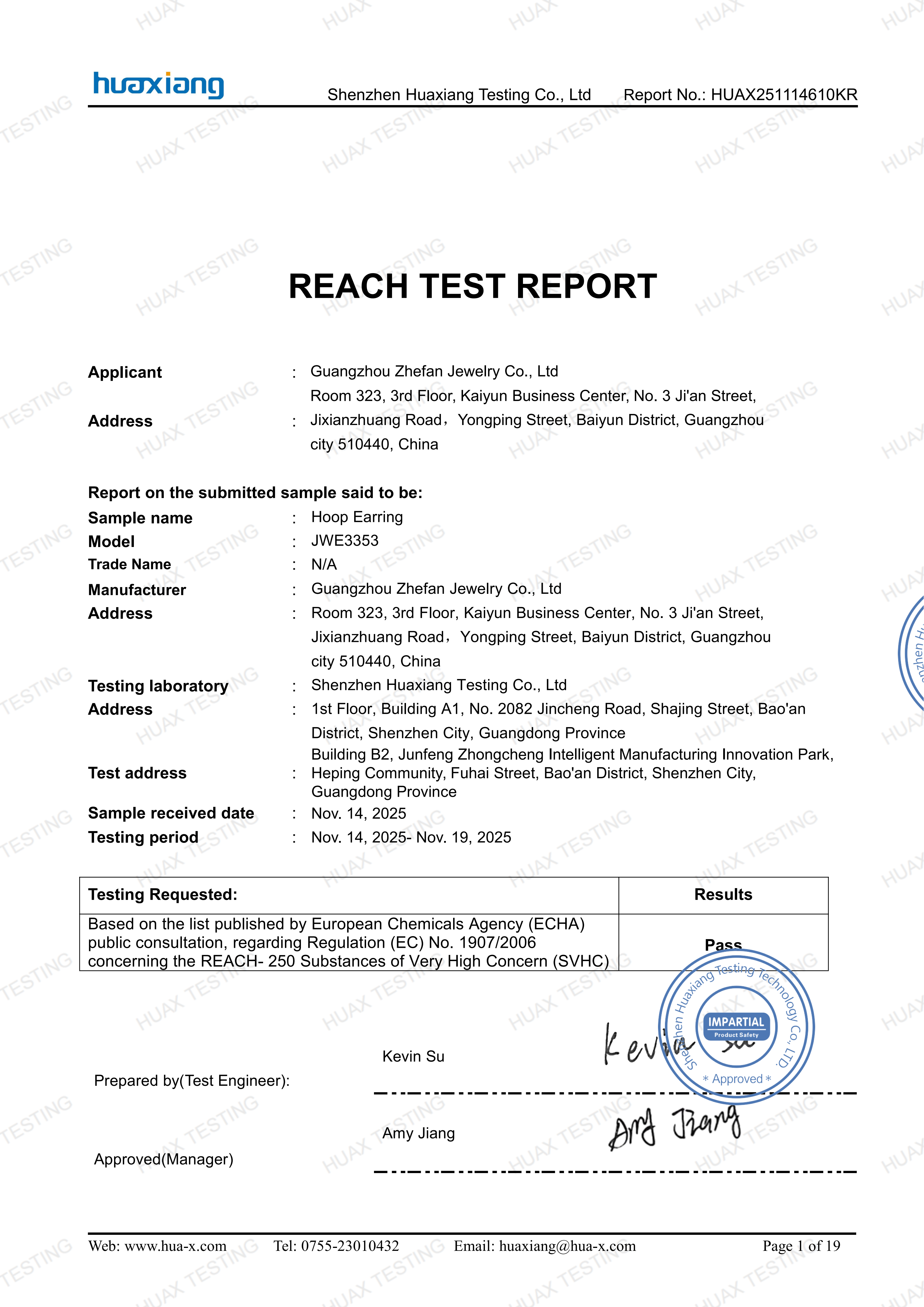
REACH
REACH reports support jewelry compliance testing for EU requirements.
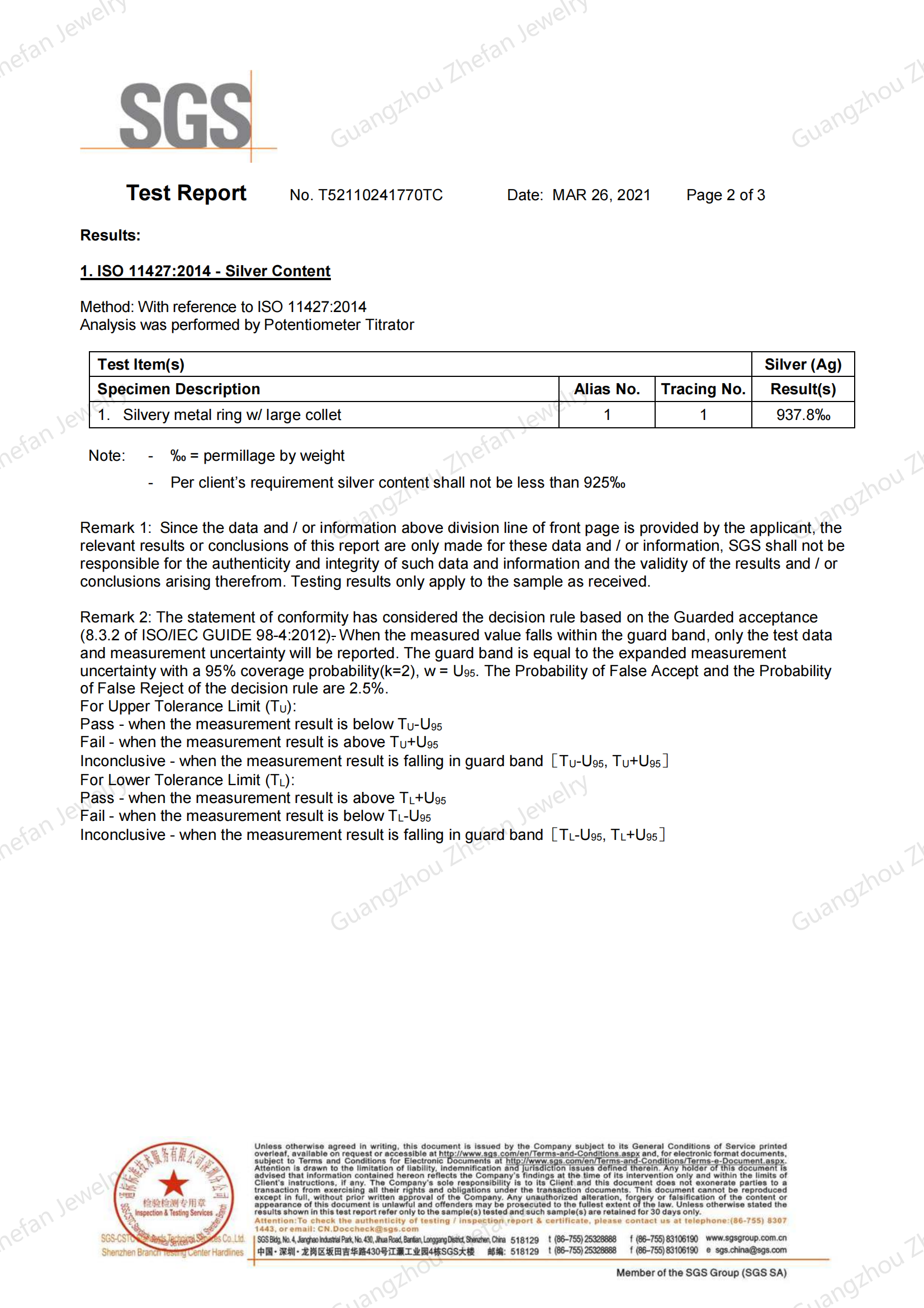
SGS
SGS reports provide third-party testing for specified jewelry samples.
Relevant certificates and test reports help buyers evaluate material safety and compliance requirements before bulk production.
What Buyers Should Check in 925 Silver Jewelry Production
Before placing a bulk order, jewelry buyers should verify more than the product’s appearance.
Important quality points include:
| Quality Area | What Buyers Should Verify |
|---|---|
| Material | 925 silver specifications and supporting documents |
| Structure | Correct dimensions, shape, and product thickness |
| Surface | Smooth finish without visible pinholes or rough edges |
| Stone Setting | Secure, aligned, and correctly positioned stones |
| Plating | Consistent color and agreed finish |
| Quality Control | Inspections during production and after plating |
| Compliance | Relevant RoHS, REACH, and SGS documentation |
A reliable silver jewelry manufacturer should be able to explain these controls clearly and confirm the agreed quality requirements before production begins.
Why Choose Zhefan as Your Custom Jewelry Manufacturer
Zhefan Jewelry has supported jewelry production since 1997, working with jewelry brands, wholesalers, importers, and private-label businesses.
As a custom jewelry manufacturer, we support:
-
Custom 925 silver jewelry production
-
OEM and ODM services
-
CAD drawing development
-
Custom sizes and product structures
-
Custom stones and stone colors
-
Custom plating colors
-
Logo and “925” marking
-
Sample development before bulk production
Our production standards include six polishing stages and six quality inspection stages, helping control surface quality, stone setting, plating consistency, and finished-product appearance.
Zhefan Jewelry can also provide relevant RoHS, REACH, and SGS documentation according to the product and buyer requirements.
By combining custom development, production control, and compliance support, our jewelry factory helps brands reduce quality risks and build more stable long-term supply programs.
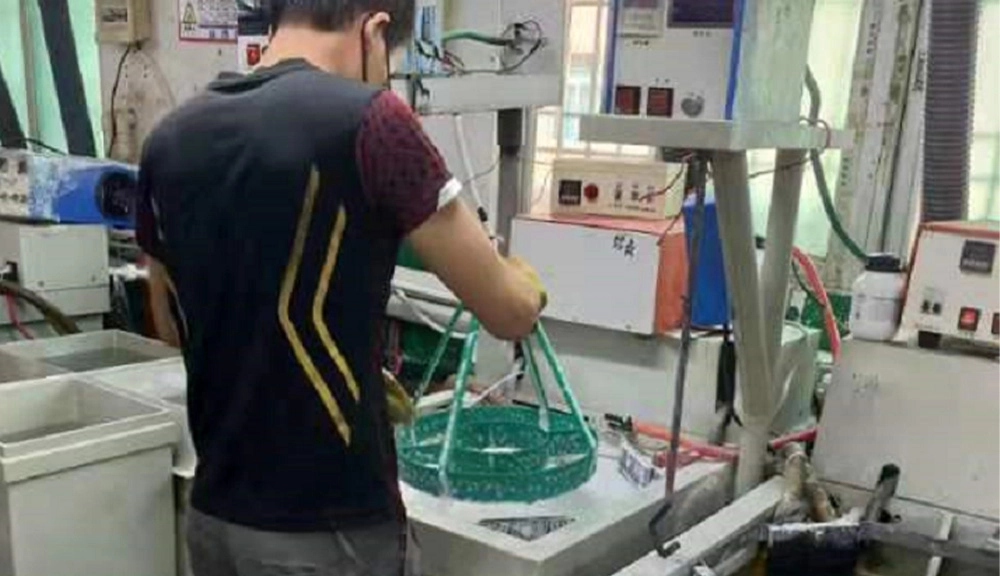
From CAD development and sample production to polishing, inspection, and compliance documentation, Zhefan supports custom jewelry projects through each major production stage.
Choosing a Reliable 925 Silver Jewelry Manufacturer
The quality of 925 sterling silver jewelry cannot be judged only by its appearance or “925” stamp.
Reliable production depends on material verification, precise manufacturing, multi-stage polishing, stone-setting control, plating consistency, quality inspection, and relevant compliance documentation.
A qualified 925 silver jewelry manufacturer should be able to explain these processes clearly and provide supporting evidence where required.
Zhefan Jewelry supports custom 925 silver jewelry with OEM and ODM manufacturing, six polishing stages, six quality inspections, and relevant RoHS, REACH, and SGS documentation.
Contact Zhefan Jewelry to discuss your custom jewelry design, quality requirements, testing documents, and production specifications.
FAQ
Is 925 Sterling Silver Nickel-Free?
The “925” mark means that the material contains at least 92.5% silver, but it does not automatically prove that the remaining alloy is completely nickel-free. Whether 925 sterling silver is nickel-free depends on the alloy composition, soldering materials, plating, and other product components. Buyers should verify the material specification and review relevant test reports when nickel-related compliance is required.
How Can Buyers Verify 925 Silver Jewelry Quality?
Buyers can verify quality through a combination of material specifications, XRF testing, supplier documentation, third-party reports, sample approval, and production-stage inspection. A “925” stamp is useful, but it should not be the only form of verification. Overall quality also depends on casting, polishing, stone setting, plating, and final inspection.
What Do RoHS, REACH, and SGS Documents Show?
These documents provide information about the specific samples and test items stated in the report or certificate. Buyers should review the tested sample, testing method, results, limits, and conclusion. A document should only be used to support the product or material covered by its stated scope.
How Does Zhefan Control 925 Silver Jewelry Quality?
Zhefan controls quality through raw material inspection, wax model inspection, six polishing stages, stone-setting inspection, manual finishing checks, and final inspection after plating. Relevant RoHS, REACH, and SGS documentation can also be provided according to the product, material, and buyer requirements.
Recommended for you

Why Custom 925 Sterling Silver Bracelets Are the Ultimate 2026 Jewelry Trend

Zhefan Jewelry Invites You to Attend the Hong Kong Jewellery Exhibition 2026

Is Brass Jewelry Good? Does Brass Jewelry Tarnish? The Complete Guide to Brass Jewelry Quality, Care, Longevity & Why It’s Trending
925 Silver Jewelry in 2026: Benefits, Quality and Market Value
Custom 925 Silver Jewelry Manufacturer Guide
Product Categories
Discuss Your Ideas with a Professional Custom Jewelry Manufacturer
We provide personalized jewelry customization services for clients worldwide.
Rest assured that your privacy is important to us, and all information provided will be handled with the utmost confidentiality.
By clicking 'Send Inquiry Now' I agree to ZHEFAN JEWELRY processing my personal data.
To see how to withdraw your consent, how to control your personal data and how we process it, please see our Privacy Policy and Terms of use.
From design to production, ZHEFAN JEWELRY offers a one-stop solution to help you enhance your brand value and market competitiveness.
Get A Quote
Contact
Tel: (+86) 188 1927 7817
© 2026 Zhefan Jewelry. All Rights Reserved.
Facebook
Instagram
YouTube
Whatsapp: +8618819277817