







Email: sales3@zhefanjewelry.com
Rhodium Plating & Finishes for Tennis Jewellery
Rhodium plating can give tennis jewellery a bright white appearance, improved tarnish resistance, and a premium retail presentation, but final performance depends on substrate selection, surface preparation, plating thickness, adhesion, wear conditions, and inspection controls. This guide explains how buyers should specify rhodium finishes for brass, 925 sterling silver, and gold vermeil tennis bracelets and necklaces, compare alternative surface treatments, control quality, and evaluate an experienced OEM/ODM production partner such as Zhefan Jewelry.
- How White-Rhodium Finishes Perform on Tennis Jewellery
- Why rhodium is used for continuous-link designs
- Substrate selection changes the plating result
- Surface preparation determines visual uniformity
- Plating Options, Wear Factors, and Quality Controls
- Comparing common finishes for commercial jewellery programs
- Thickness, adhesion, and abrasion require a written specification
- Compliance and skin-contact risk management
- Procurement Framework for a Reliable Tennis Jewellery Supply Partner
- Questions to include in a supplier audit
- Cost should be measured through total landed value
- Zhefan Jewelry’s Manufacturing Value for Custom Tennis Collections
- Integrated production capacity and finish discipline
- Polishing and inspection support consistent presentation
- OEM and ODM support for scalable brand development
- Frequently Asked Questions
Rhodium plating is a high-value finishing option for tennis jewellery because it creates a reflective white surface, supports a clean diamond-like visual effect, and helps protect suitable substrates from everyday oxidation and discoloration. For buyers sourcing tennis bracelets, tennis necklaces, and coordinated jewellery sets, the finish is not simply a cosmetic layer: it affects color consistency, stone presentation, skin-contact performance, packaging claims, product lifespan, and return rates. A reliable tennis jewellery manufacturer should therefore manage rhodium plating as a controlled engineering process covering alloy selection, polishing, cleaning, activation, electroplating, rinsing, drying, and final inspection.
How White-Rhodium Finishes Perform on Tennis Jewellery
Why rhodium is used for continuous-link designs
Tennis jewellery contains many repeated settings and articulated links. The visual impact depends on every stone seat, claw, connector, and edge reflecting light consistently. Rhodium is a platinum-group metal with a naturally bright white appearance and strong resistance to corrosion. It is commonly deposited as a thin electroplated coating over silver, brass, or other jewellery substrates. The coating can improve the apparent brightness of the base metal while reducing direct exposure to air, moisture, cosmetics, and handling.
However, rhodium is not a substitute for correct construction. It will not correct deep polishing marks, porous casting, uneven edges, poorly fitted stones, or contamination trapped in recesses. On a flexible tennis bracelet, movement at hinges and connectors creates mechanical wear. On a necklace, contact with skin, clothing, perfume, and storage surfaces can gradually reduce the coating in high-friction zones. Product specifications should therefore distinguish between initial appearance, expected wear behavior, and any care limitations communicated to the end customer.
Substrate selection changes the plating result
925 sterling silver is a natural substrate for a white rhodium finish because its base color is already compatible with a bright silver-white appearance. It still requires thorough polishing and cleaning, since residual oils, polishing compound, or silver oxidation can reduce adhesion. Brass offers design flexibility and cost efficiency, but its yellow-gold base color makes complete coverage particularly important. A suitable barrier layer may be required to prevent brass color migration and to control nickel or copper exposure, depending on the product specification and target market.
Gold vermeil requires additional specification discipline. In commercial usage, vermeil generally refers to sterling silver with a gold coating that meets applicable regulatory definitions for gold thickness and fineness. Applying rhodium over a gold-vermeil surface changes the intended color and may affect how the item should be described, so buyers should confirm whether the project requires rhodium-plated sterling silver, white-gold-tone plating over brass, or a true gold-vermeil product. These are different constructions with different cost, durability, and disclosure requirements.
Surface preparation determines visual uniformity
For a continuous tennis design, polishing quality is especially important because small surface variations are repeated across the entire length of the item. The production sequence should remove casting lines, micro-pits, burrs, and tool marks before plating. Edges need to remain defined without becoming sharp, while stone settings must be polished without weakening prongs or loosening stones. Ultrasonic cleaning, electrocleaning, activation, and controlled rinsing are commonly used steps, but their suitability depends on the alloy, stones, adhesives, and construction.
Buyers should ask for pre-plating and post-plating samples rather than evaluating only a digital rendering. A sample review should examine whiteness, gloss, reflection continuity, stone security, connector movement, clasp operation, and color at recessed areas. The most attractive sample is not sufficient if it was produced under conditions that cannot be repeated at scale.
Plating Options, Wear Factors, and Quality Controls
Comparing common finishes for commercial jewellery programs
| Finish or construction | Typical visual effect | Commercial strengths | Procurement considerations |
|---|---|---|---|
| Rhodium over 925 sterling silver | Bright, cool white and highly reflective | Strong color alignment with clear stones; High Quality appearance | Requires careful preparation and inspection for coverage, adhesion, and wear areas |
| Rhodium over brass with barrier layers | Bright white when coverage is complete | Cost-efficient platform for fashion and mid-market collections | Specify barrier system, nickel policy, corrosion testing, and base-metal disclosure |
| Unplated sterling silver | Warm silver-white that can develop patina | Simple construction and recognizable precious-metal identity | Needs care guidance; tarnish behavior may affect long-term retail presentation |
| White-gold-tone plating | White precious-metal appearance | Supports High Quality positioning when paired with an appropriate precious-metal base | Confirm legal description, fineness, coating specification, and replenishment policy |
| Gold-tone or gold vermeil finish | Warm yellow or champagne appearance | Supports contrast collections and seasonal color stories | Rhodium is not interchangeable with gold plating; define the required layer and claim |
The table illustrates why finish selection should be linked to the target retail segment. A low-cost fashion line may prioritize visual uniformity, efficient cycle time, and controlled replacement economics. A High Quality sterling silver collection may prioritize cool-white color, stone brilliance, coating consistency, and a documented care program. In both cases, the correct decision depends on the substrate and intended use rather than on the plating name alone.
Thickness, adhesion, and abrasion require a written specification
Plating thickness should not be treated as a universal number for every product. The appropriate specification depends on the base metal, geometry, intended wear, color target, and commercial price point. Buyers should request the supplier’s stated thickness range, measurement method, test location, and acceptance tolerance. X-ray fluorescence can be used for non-destructive coating analysis, but the result is meaningful only when measurement points and calibration practices are defined.
Adhesion should be evaluated together with abrasion and corrosion behavior. A coating can meet a thickness target and still fail if the substrate was contaminated or insufficiently activated. Testing may include tape adhesion, rubbing or wear evaluation, artificial perspiration exposure, and salt-spray testing where appropriate. ISO 9227 describes neutral salt spray, acetic acid salt spray, and copper-accelerated acetic acid salt spray methods for corrosion testing; it does not automatically predict every real-life jewellery condition, so the test plan should match the product’s intended environment.
Compliance and skin-contact risk management
Global buyers should define material compliance before production begins. Brass and plating systems can contain regulated substances if the supply chain is not controlled. For products entering the European market, suppliers should understand the obligations associated with REACH requirements explained by the European Chemicals Agency. Nickel release is particularly relevant for prolonged skin contact, and declarations should be supported by appropriate laboratory evidence rather than generic marketing language.
The U.S. Federal Trade Commission Jewelry Guides provide useful guidance on truthful descriptions of precious-metal content, plated finishes, and related claims. Buyers should align product pages, packaging, certificates, and invoices so that terms such as sterling silver, gold vermeil, plated, and silver-tone are not used interchangeably. ASTM B117 is another recognized reference for salt-spray apparatus and operating practice, although laboratory corrosion results should be interpreted as comparative data rather than a guarantee of consumer wear life.
Procurement Framework for a Reliable Tennis Jewellery Supply Partner
Questions to include in a supplier audit
A serious sourcing review should assess more than a catalogue and unit price. Buyers should verify whether the supplier controls mould development, casting, polishing, plating coordination, stone setting, assembly, and final packing. Where some operations are subcontracted, the supplier should identify the responsible facility and explain how batch traceability is maintained. Consistent ownership of the process reduces the risk that one production lot has a different white tone, thickness, or surface texture from the approved sample.
Request a technical data pack covering substrate composition, plating sequence, coating range, prohibited substances policy, inspection checkpoints, test methods, packaging materials, and warranty or replenishment terms. For repeat orders, retain a golden sample and define acceptable color and gloss variation. A buyer should also clarify whether the finish is applied before or after stone setting, how vulnerable stones are protected, and how clasp and hinge areas are tested after finishing.
Cost should be measured through total landed value
The lowest plating quotation may create a higher total cost if it produces premature discoloration, inconsistent color, loose stones, or excessive rework. A better comparison includes sampling expense, plating yield, rejection rate, inspection labor, freight, replacement stock, customer service, and marketplace review risk. Consistent polishing and controlled plating can support better photography, fewer quality complaints, and a more reliable launch schedule.
For distributors and private-label brands, minimum order quantity should be considered alongside replenishment speed. A supplier with flexible development and stable production can allow a brand to test several finishes, identify the strongest retail performer, and scale the winning design. This is particularly valuable for tennis jewellery, where minor changes in stone size, link proportion, clasp style, and metal color can create distinct price tiers without redesigning the full collection.
Zhefan Jewelry’s Manufacturing Value for Custom Tennis Collections
Integrated production capacity and finish discipline
Our team at Guangzhou Zhefan Jewelry brings a manufacturing legacy dating back to 1997, with the company formally established in 2002. Founded by a master mould craftsman, our production culture is built around precision development and continuous refinement. We specialize in 925 silver jewelry, sterling silver jewelry, brass jewelry, gold vermeil jewelry, and pearl jewelry, giving brand owners multiple substrate and styling options for coordinated tennis collections.
Our two factories in Guangzhou and Meizhou cover 800 square meters. More than 80 skilled artisans and 20 sales professionals support monthly output of approximately 600,000 pieces. This capacity helps project owners manage initial sampling, controlled production runs, and repeat replenishment through a structured OEM/ODM workflow. Our professional design team launches more than 500 original styles monthly, allowing global partners to respond to market changes while retaining the option to customize dimensions, stones, clasps, plating colors, packaging, and branding.
Polishing and inspection support consistent presentation
Rhodium performance begins before the plating line. Our manufacturing process includes six rounds of precision polishing and six strict quality inspections designed to identify surface defects, setting problems, assembly errors, and finish inconsistencies at different stages. This layered approach is important for tennis jewellery because repeated links amplify small deviations across the complete product.
Our quality system also uses RoHS- and REACH-compliant eco-friendly materials for applicable projects. Compliance documentation and testing requirements should always be confirmed according to the destination market and product construction, but a documented materials policy gives buyers a stronger foundation for retailer review. The same process discipline supports brass jewelry programs seeking efficient fashion positioning and 925 silver jewelry programs requiring a more High Quality appearance.
OEM and ODM support for scalable brand development
Our experience serving leading Amazon sellers and global retailers such as Macy’s informs a commercially focused approach to custom development. We support brands with concept refinement, mould production, sample approval, bulk manufacturing, inspection coordination, and delivery planning. For a tennis bracelet or necklace, this can include matching metal tones across multiple SKUs, creating layered collections, and developing complementary pearl jewelry or gold vermeil jewelry for cross-selling.
Buyers evaluating Zhefan Jewelry should provide the intended substrate, plating color, target market, stone type, product dimensions, expected order volume, packaging requirements, and compliance documents needed for the destination. Our team can then align the construction and finish with the brand’s positioning rather than treating every request as a standard catalogue item. The result is a clearer specification, more predictable approval process, and stronger control over the customer-facing finish.
Contact Zhefan Jewelry at sales3@zhefanjewelry.com or visit our official website to discuss custom rhodium-plated tennis jewellery, brass jewelry, sterling silver jewelry, gold vermeil jewelry, and related OEM/ODM programs.
Frequently Asked Questions
Is rhodium plating suitable for 925 sterling silver tennis jewellery?
Yes. 925 sterling silver is a natural substrate for a white rhodium finish because its base color is compatible with a bright silver-white appearance. The surface still requires thorough polishing and cleaning to support adhesion and color consistency.
Can brass be used for rhodium-plated tennis bracelets and necklaces?
Yes. Brass offers design flexibility and cost efficiency, but complete coverage and an appropriate barrier layer may be required to control brass color migration and copper or nickel exposure. Buyers should specify the barrier system, compliance policy, and corrosion testing requirements.
How should buyers specify rhodium plating thickness?
Buyers should request the supplier’s stated thickness range, measurement method, test location, and acceptance tolerance. The appropriate specification depends on the substrate, geometry, intended wear, color target, and commercial price point, so there is no universal thickness suitable for every product.
What quality tests are relevant to rhodium-plated tennis jewellery?
Relevant controls can include visual inspection, coating measurement, adhesion testing, rubbing or wear evaluation, artificial perspiration exposure, and salt-spray testing where appropriate. ISO 9227 and ASTM B117 provide recognized corrosion-testing references, but results should be interpreted in relation to the intended consumer environment.
Is rhodium plating the same as gold vermeil?
No. Rhodium plating creates a bright white surface, while gold vermeil refers generally to sterling silver with a gold coating that meets applicable regulatory definitions. Applying rhodium over a gold-vermeil surface changes the intended color and may affect the correct product description.
What documents should a B2B buyer request from a plating and jewellery supplier?
A buyer should request information covering substrate composition, plating sequence, coating range, prohibited-substances policy, inspection checkpoints, test methods, packaging materials, and warranty or replenishment terms. Destination-market compliance evidence should be matched to the actual product construction.
How can a supplier reduce finish inconsistency across a tennis jewellery collection?
Consistency improves when the supplier controls mould development, casting, polishing, plating coordination, stone setting, assembly, and final inspection through a documented workflow. Buyers should retain a golden sample, define acceptable color and gloss variation, and confirm how clasp, hinge, and recessed areas are inspected.
Tags
custom pearl necklace
custom pearl necklace
cubic zirconia brass tennis bracelet bulk
cubic zirconia brass tennis bracelet bulk
gold tone brass chunky hoop earrings
gold tone brass chunky hoop earrings
nickel free rose gold brass
nickel free rose gold brass
small batch brass jewelry maker
small batch brass jewelry maker
artisan custom 925 sterling earrings
artisan custom 925 sterling earrings
Recommended for you
Lead Time Expectations for Custom Tennis Jewelry Orders
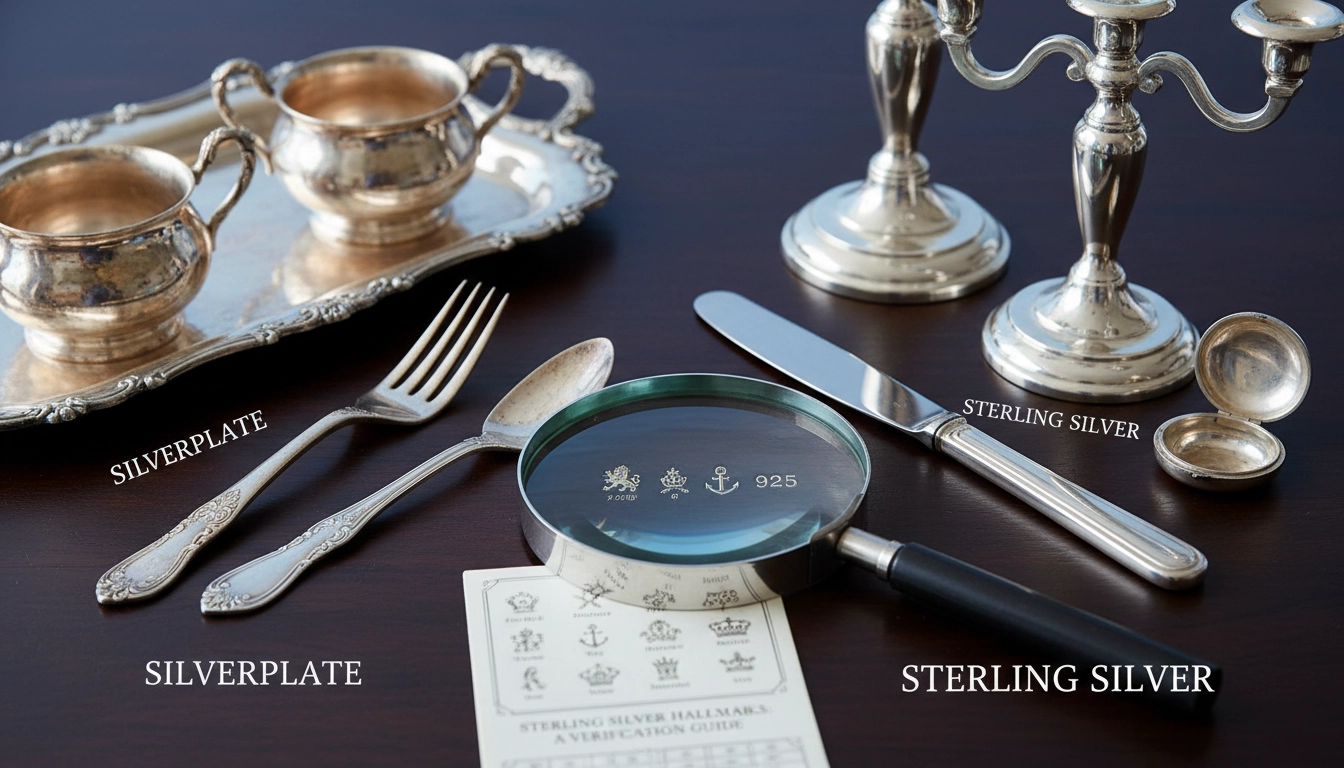
Beyond the Stamp: How to Verify Rare and Antique Sterling Silver Hallmarks Without an Expert
Optimizing Production Efficiency Through a Strategic OEM Jewelry Manufacturer Alliance
Differences Between 925 Sterling and Argentium Silver Bracelets
Product Categories
You may also like

925 Silver Jewelry
Customizable High-Quality Fashion 925 Sterling Silver AAA Cubic Zirconia Heart-Shaped Open Tennis Bracelet.
Read More

Brass Jewelry
Customizable OEM ODM High-Quality Fashion Brass AAA Cubic Zirconia Classic Tennis Bracelet for Women Wholesale.
Read More
Get a Quote for Private Label Jewelry
We provide personalized jewelry customization services for clients worldwide.
Rest assured that your privacy is important to us, and all information provided will be handled with the utmost confidentiality.
By clicking 'Send Inquiry Now' I agree to ZHEFAN JEWELRY processing my personal data.
To see how to withdraw your consent, how to control your personal data and how we process it, please see our Privacy Policy and Terms of use.
From design to production, ZHEFAN JEWELRY offers a one-stop solution to help you enhance your brand value and market competitiveness.
Get A Quote
Contact
Tel: (+86) 188 1927 7817
© 2026 Zhefan Jewelry. All Rights Reserved.
Facebook
Instagram
YouTube
Whatsapp: +8618819277817